A Letter to President Trump

A Letter to President Trump
Dear Mr. President:
First of all, thank you, Mr. President, for everything you have done for the American people since taking office. These changes have occurred swiftly and effectively, bringing heartfelt joy to those of us who have fled the authoritarian dictatorship of the Chinese Communist Party (CCP). After very careful consideration and research, we present this letter to you.
We also wish to express our gratitude for America’s artificial intelligence technology, which has effectively resolved the issues of data authenticity and accuracy that have long troubled us. Through our data retrieval and investigation, we have obtained the following information regarding Chinese companies listed in the United States:
"Throughout 2024, between 61 and 68 Chinese companies went public in the U.S., raising a total of $2 billion. By the end of January 2025, at least 10 Chinese companies had already completed initial public offerings (IPOs) in the U.S., such as veterinary vaccine supplier Zhengye Bio (listed on January 7) and robotic arm manufacturer Yinlif (listed on January 2). Additionally, several other companies have submitted prospectuses and are awaiting listing. If this trend continues, the number of listings in the first two months of 2025 could approach around 15.
Overall, based on historical data combined with the increases in 2024 and early 2025, the total number of Chinese companies listed in the U.S. may now exceed 260 (based on approximately 250 before 2024, plus the 10-15 newly listed ones). As for total funds raised, the $2 billion in 2024 provides a clear benchmark. While complete statistics for early 2025 are not yet available, considering the scale and market performance of the newly listed companies, a conservative estimate suggests an additional few hundred million dollars, bringing the total close to or exceeding $3.1 billion."
From what we understand, some of these listed companies are ones that few people in China have even heard of, and some may even be shell companies. Yet, they are able to openly list in the U.S., deceiving investors in the American market.
We have identified some typical cases:
Orient Paper:
In 2010, Orient Paper was accused of严重 falsifying financial data, such as publicly disclosing revenues far higher than those reflected in Chinese business records. After a report by short-selling firm Muddy Waters, the company’s stock price plummeted. Statistics show that during the peak period of 2011-2012, as many as 70-100 companies may have been delisted or had trading suspended due to various violations (including data fraud and failure to submit financial reports).
Harbin Electric:
In 2011, a report from a short-selling firm highlighted financial issues with Harbin Electric, causing its stock price to crash in a short period.
Luckin Coffee:
In April 2020, the company admitted to inflating its sales figures by approximately 2.2 billion RMB from the second to fourth quarters of 2019. Following the exposure of this scandal, Luckin’s stock price on NASDAQ plunged by over 75% in a single day. The company subsequently faced class-action lawsuits and regulatory investigations, ultimately delisting from the U.S. market in 2021.
These reports and data are both regrettable and distressing! Some of our friends, unaware of the risks, invested in depository receipts from Chinese companies, resulting in significant losses or even having their accounts wiped out. However, the issue goes beyond American taxpayers’ money being drained by fraudulent companies. As people who have lived in China and escaped its regime, we know that there are no truly large, privately-owned companies in China. Even small private enterprises operate under the jurisdiction and complete control of the Chinese Communist Party. They must submit to the national ideology, which is essentially the will of the CCP, as the country is effectively controlled by this party. The CCP can arbitrarily control private enterprises or seize and confiscate all private assets under pretexts like national security. The companies that manage to list and raise funds in the U.S. are, without exception, obedient to the CCP’s authoritarian regime. This regime is controlled by certain CCP families, and the funds quickly flow into their pockets, becoming tools for their evil deeds in controlling the nation and infiltrating the world.
In China, no private company can bypass the CCP’s control to gain listing opportunities in the U.S. They are either directly controlled by the CCP or cleverly disguised as joint-stock companies. Some may have foreign investors, but that is merely a façade; ultimately, these companies are firmly in the hands of CCP elite families.
Thus, a significant portion of the U.S. dollar funds raised through listings in the U.S. undoubtedly becomes money that the CCP and its elite families can squander and exploit.
What kind of organization is the Chinese Communist Party, and what do they aim to achieve?
A look at the CCP’s history reveals that it is an organization that proclaims the goal of消灭 capitalism and achieving communism—a violent entity responsible for countless deaths. They claim to establish a fair and equal society, but in reality, they have created the most rigid hierarchical society of privilege, where the people have no rights. To this day, Chinese citizens cannot freely access the international internet for information. The regime suppresses all dissenting voices, arbitrarily tramples on people’s rights, and never keeps its promises to the public. Laws are nothing more than empty words and a fig leaf for their actions. Likewise, they flout international rules. In the past, when their military and economic power was weak, they adopted so-called economic openness and a policy of “biding their time.” But after years of infiltration and development, they have now shed their hypocritical mask and are striking out globally. They support dictatorial regimes, terrorist states, and extremist religious forces, infiltrating and undermining the political systems and social order of democratic nations. They influence free elections in democratic countries and even attempt to strip them of that freedom, covertly backing individuals who seek to subvert democratic and free nations. They support Hamas, aid North Korea and Russia, and concealed the Wuhan virus leak that cost thousands of lives worldwide—yet they continue their evildoing!
The renowned Chinese religious group Falun Gong stated in their article Nine Commentaries on the Communist Party: “A leopard cannot change its spots.” “History proves that every time the CCP loosens its shackles and chains, it does not mean it will abandon them.” “In the history of the Communist Party, there have been periods of rampant red terror at its peak and moments of near collapse and desperate flight. Each time, the CCP has relied on rogue tactics to survive crises, only to rise again and continue deceiving the people.” The CCP and its elite families aim to perpetually rule and oppress the Chinese people, and they even seek to dominate the entire world through violence and authoritarian means.
Therefore, we urgently call upon and sincerely implore the U.S. government to cease supporting this anti-humanity, anti-civilization CCP regime. We request a thorough review of Chinese companies already listed in the U.S., the suspension of trading for those listed companies that pose a threat to the security of the U.S. and the world, and a halt to all new opportunities for Chinese companies to list in the U.S. and obtain U.S. dollar funding.
Finally, we sincerely wish you, Mr. President, all the best and bless America to be great again!
发表在 Uncategorized | 留下评论

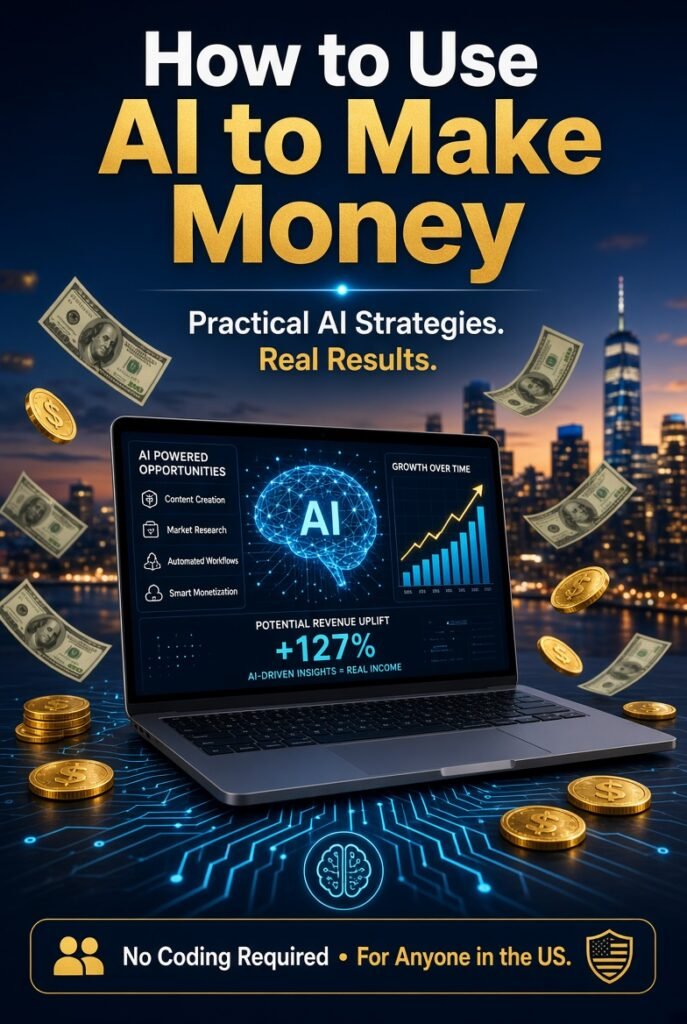
How to Use AI to Make Money

(A practical guide for people living in the United States)Artificial intelligence is profoundly reshaping the U.S. job market. While it has automated many repetitive tasks, it has also created a wide range of new opportunities. The good news is that you don’t need to know how to code to earn money with AI. The key is treating AI as a powerful assistant and combining it with your own judgment, domain knowledge, taste, or communication skills to solve real problems or create valuable content and products for others.Below are some of the most proven, relatively low-barrier ways to make money with AI in 2026 without writing any software code. These methods are based on real-world cases and platform data. Earnings can range from a few hundred to several thousand (or even tens of thousands) of dollars per month, depending on the time you invest, the niche you choose, and how consistently you execute. Startup costs are usually low—mainly AI tool subscriptions, many of which offer free tiers. Payments are typically received in USD via PayPal, Stripe, bank transfer, or similar methods.1. AI-Assisted Content Creation & Freelance ServicesUse tools like ChatGPT or Claude to quickly draft blog posts, social media content, product descriptions, email marketing copy, newsletters, and more. You handle strategy, editing, quality control, and client communication.

  • How to start: Offer services on Upwork, Fiverr, Contra, or LinkedIn. You can also reach out directly to U.S. businesses via your own website or email outreach.
  • Best for: People with writing skills or a willingness to learn.
  • Potential earnings: Fastest path to first income. $50–$500 per piece is common; skilled freelancers often earn $2,000–$10,000+ per month.
  • Recommended tools: ChatGPT or Claude + Grammarly (or similar editing tools).
Signature: cPoRgmsFbRp/wZOrxtJjAMYz5orfFqsBJpjCUdfdU6D06efiwPoJjC1gfILAe8362LZqorjV03PO22R3ikY1gHuwG8YzA7939Bp+qednkguPYia9n/padVDkFFfaHro2q6dEUYbJl9p9cT/52nAqaKsozs8rQqSLrYJycO9vt/+xBCdNh1b/HtWntZ6DSX7DkHy9pmXFpUwC7uR/+8OePuvZk4+m+0bRJe/aMNPfTybLK+uBv9MOfHQ4spcjAHSrNlT7QI/VVK5w9IpeVlvnuGWfuLtNk7V/rT14N5r7K+fQ1vWXYvoQTrlWfmBFJ586P+NV4jKGk1loF7FQEXaejIL5KXWL5/QDM26wl1x9OP7YXTgXBpFUca23kzXrr/JQ0BvHN9rYSefGfnHo3/DcjD11lZq+y/KlSNnWh9O+1VztVnrlg45k2gjtlGEphaonmMGHLfv1pFYNpimtVDigR3yzxKgng9GnQxoHEeTpuPmEBN2ztyNaiysipLFOV0Hc2I5+9yK00r8chF+AIf87AdR87nYuCvvkSfNlEcwaeRtoguDUo90RKXE0ssyriyxq1Oms1nn/wL8nVs2Ue/kKv9Nm86lPFWOtaz/7XtiUcXNsj9ucLy6gLnQssuPDI9vG7XBSliyC0NBe9YWJejLjZSlMtCdKAFnAwrwymr0ILrgTMcI/XkLcz3UQ6bmyWQ0KQOUj5B2WBCpHg23BhBCJsgCkU/+vRLX5Qp0EnvxbOqaohi6piVxfxhZ7om7sUhxvtd+lEt5Snth4aF5F/u+oUXKSfrxbYMiewrKxbVI0lBiftcMqvdPldbVHD2KLXb7AFh5OrzL8lb0yIFne6Gv7Nbq6Rhx2jVDW/YhDYjL9V+fOZ0QYalcx1SBiIB93EiIGZEEZN2DqAeVQbtBmcPXm5GVvPD4LlyIE9ZG4DJ4u6LbaoztHdzMzhKwM6mYh62HK

2. Create and Sell Digital ProductsUse AI to generate e-books, Notion templates, prompt packs, planners, email sequences, printables, and other digital goods. Create once and sell repeatedly.

  • How to start: List products on Etsy, Gumroad, Amazon KDP, or your own website (using Stripe for payments). Focus on specific niches such as “real estate agent email templates,” “small business social media calendars,” or “high-performing ChatGPT prompt packs.”
  • Best for: Anyone with knowledge or interest in a particular niche.
  • Potential earnings: A few hundred to several thousand dollars per month in the early stages, with strong products generating passive income over time.
  • Recommended tools: ChatGPT for content + Canva for design and formatting.

3. AI Image Generation, Design Services & Print-on-DemandGenerate high-quality images with Midjourney, DALL·E, Flux, Leonardo, or similar tools. Offer custom avatars, wallpapers, illustrations, brand visuals, or sell designs on physical products such as T-shirts, phone cases, and posters.

  • How to start: Sell on Etsy, Redbubble, Printful/Printify, or take custom design orders on Fiverr and Upwork. You can also upload to stock platforms like Adobe Stock.
  • Best for: People with a good eye for aesthetics.
  • Potential earnings: Custom pieces can sell for tens to hundreds of dollars each. Established shops often generate consistent four-figure monthly income.
  • Note: Prioritize originality and respect copyright rules.

4. Faceless Content Channels (Short-Form Video & Written Content)Use AI to write scripts, generate voiceovers (ElevenLabs, etc.), create visuals or digital avatars, and run channels on YouTube, TikTok, Instagram, or Facebook. Monetize through ads, affiliate marketing, and brand sponsorships.

  • How to start: Choose a focused niche (educational content, product reviews, storytelling, lifestyle tips) and produce content consistently while optimizing for the platform algorithms.
  • Best for: People willing to post regularly over time.
  • Potential earnings: Slower to start (audience building usually takes months), but can become highly passive once established.
  • Recommended tools: ChatGPT for scripts + CapCut or Descript + AI video generation tools.

5. AI Automation & Chatbot Setup Services for Small BusinessesUse no-code tools such as Zapier, Make.com, n8n, or Voiceflow to build customer service chatbots, appointment systems, lead follow-up automation, social media scheduling, and email workflows for local businesses or online stores.

  • How to start: Learn one or two tools thoroughly, then approach U.S. local businesses (restaurants, salons, real estate agents, e-commerce sellers, etc.) with offers to set up systems that save them time and labor. Charge a project fee ($500–$5,000) plus monthly maintenance.
  • Best for: People who are good communicators and can understand business processes.
  • Potential earnings: Project-based income that can grow into solid recurring revenue with a few retainer clients. Demand remains strong with relatively less competition in many local markets.

6. AI Training, Consulting & WorkshopsTeach individuals or small businesses how to use AI tools effectively, or help companies implement AI for content workflows, team productivity, or customer service.

  • How to start: Host online or in-person workshops via LinkedIn, Meetup, or Eventbrite. Offer one-on-one consulting or create and sell courses on platforms like Udemy or Teachable.
  • Best for: People who enjoy continuous learning and sharing knowledge.
  • Potential earnings: Higher price points—workshops and corporate training sessions often start in the hundreds to thousands of dollars.

7. Other Low-Barrier Options

  • Selling specialized prompt packs on PromptBase or your own site.
  • Data annotation work on platforms such as DataAnnotation.tech (hourly rates often range from $25–$150 depending on task complexity).
  • AI-assisted services such as resume optimization, translation, social media management, or research report generation.

Getting Started Tips (U.S. Perspective)

  1. Pick one direction and go deep — Don’t try everything at once. Starting with something that builds on your existing skills or interests is usually the fastest path.
  2. Focus on human-AI collaboration — AI handles speed and first drafts; you provide judgment, creativity, client relationships, and final quality control. Pure AI-generated content without human oversight is becoming harder to monetize successfully.
  3. Keep costs low — Most people start with free tiers or $20–$50/month tools (ChatGPT Plus, Claude Pro, Canva Pro, etc.).
  4. Taxes and compliance — As an independent contractor, track income and expenses carefully for 1099 forms and quarterly estimated taxes. Follow platform rules and copyright guidelines.
  5. Realistic timelines — Service-based work (content freelancing, digital products) can generate the first dollars within weeks. Passive channels (YouTube, digital product shops) typically need 1–3 months of consistent effort.

AI has not eliminated opportunities for ordinary people—it has lowered the barriers to creating value. What separates those who succeed is the ability to identify real pain points, deliver consistent quality, and build trust.Choose one path today and start taking action. In the U.S. market, where clients have strong purchasing power and demand for digital products and services is high, AI can realistically become a reliable side income—or even a primary one—if you execute well.Good luck!

如何利用AI为你赚钱?
(专为在美国生活的人撰写)人工智能正在深刻改变美国就业市场,自动化了部分重复性工作,同时也创造了大量新机会。好消息是:你不需要会写代码,也能利用AI工具赚钱。关键在于把AI当作“超级助手”,结合你的判断力、领域知识、审美或沟通能力,为客户或市场解决实际问题、创造有价值的内容或产品。以下是当前(2026年)在美国已被验证、门槛较低、无需编程的主要机会。这些方法基于真实案例和平台数据,收入从每月几百到数千甚至上万美元不等,取决于投入时间、垂直领域和执行力。起步成本通常很低(主要是AI订阅费用,很多工具有免费额度)。收入以美元计,可通过PayPal、Stripe、银行转账等方式收款。1. AI辅助内容创作与自由职业服务用ChatGPT、Claude等工具快速起草博客文章、社交媒体帖子、产品描述、邮件营销、新闻简报等内容,你负责策划、编辑、质量把关和客户沟通。

  • 怎么做:在Upwork、Fiverr、Contra或LinkedIn上接单,向美国本地或远程企业提供“AI加速写作/内容服务”。也可直接通过个人网站或邮件营销找客户。
  • 适合人群:有写作基础或愿意学习的人。
  • 潜在收入:起步较快,单篇50–500美元;熟练后月入2000–10000美元甚至更高。AI能让你效率提升数倍,同时服务更多客户。
  • 工具推荐:ChatGPT/Claude + Grammarly或类似润色工具。

2. 创建并销售数字产品用AI生成电子书、Notion模板、提示词包(Prompt Packs)、计划表、邮件序列、可打印资料等,一次制作,多次销售。

  • 怎么做:在Etsy、Gumroad、Amazon KDP或自建网站(用Stripe收款)上架。聚焦垂直场景,例如“房地产经纪人邮件模板”“小企业社交媒体日历”“ChatGPT高效提示词包”。
  • 适合人群:有某个领域知识或兴趣的人。
  • 潜在收入:初期每月几百到几千美元,优质产品可形成被动收入。许多卖家在前6个月就能达到稳定销售。
  • 工具推荐:ChatGPT生成内容 + Canva设计封面与排版。

3. AI图像生成与设计服务 / Print-on-Demand使用Midjourney、DALL·E、Flux、Leonardo等生成高质量图片,提供定制头像、壁纸、插画、品牌视觉,或做成T恤、手机壳、海报等按需印刷商品。

  • 怎么做:在Etsy、Redbubble、Printful/Printify上销售,或通过Fiverr/Upwork接定制设计单。也可上传到Adobe Stock等图库赚取授权费。
  • 适合人群:有基本审美的人。
  • 潜在收入:定制单张几十到几百美元;店铺稳定后月入过千甚至上万美元的案例不少。
  • 注意:注重原创性和版权合规,避免直接复制热门作品。

4. 无脸内容频道(短视频/图文)用AI写脚本、生成配音(ElevenLabs等)、制作视频画面或数字人,运营YouTube、TikTok、Instagram或Facebook频道,靠广告分成、联盟营销佣金或品牌合作赚钱。

  • 怎么做:选择垂直领域(知识科普、产品测评、故事解说、生活方式),批量生产内容。重点优化SEO和算法推荐。
  • 适合人群:愿意坚持更新的人。
  • 潜在收入:起步需要积累粉丝(通常需数月),但一旦跑通可实现较高被动收入(广告+联盟)。
  • 工具推荐:ChatGPT写脚本 + CapCut或Descript + AI视频生成工具。

5. 为小企业提供AI自动化与聊天机器人设置服务用无代码工具(Zapier、Make.com、n8n、Voiceflow等)帮本地商家或网店搭建客服机器人、预约系统、线索跟进自动化、社交媒体排程、邮件自动化等。

  • 怎么做:学习一两个工具后,向美国本地餐厅、美发店、房地产经纪人、电商卖家等推销“设置一次,长期节省人力”。收项目费(500–5000美元)+ 月度维护费。
  • 适合人群:善于沟通、能理解业务流程的人。
  • 潜在收入:项目制起步,积累几个长期客户后月入可观。这是当前需求旺盛且竞争相对不激烈的方向。

6. AI培训、咨询与工作坊教别人如何高效使用AI工具,或为中小企业做AI落地咨询(内容流程优化、团队提效、客户服务自动化等)。

  • 怎么做:通过LinkedIn、Meetup、Eventbrite举办线上/线下工作坊;提供一对一咨询;或做成Udemy、Teachable等平台的在线课程销售。
  • 适合人群:愿意持续学习并总结经验的人。
  • 潜在收入:客单价较高,企业培训或工作坊动辄数百到数千美元起。

7. 其他低门槛补充方式

  • 提示词工程服务或销售:在PromptBase或自有网站出售高质量、垂直领域的提示词包。
  • 数据标注:在DataAnnotation.tech等正规平台参与AI模型训练数据标注(时薪可达25–150美元,视任务复杂度而定)。
  • AI辅助简历优化、翻译、社交媒体代运营、研究报告生成等细分服务。

起步建议与现实提醒(美国视角)

  1. 先选一个方向深耕:不要同时尝试太多。结合自己的兴趣或已有技能(写作、设计、销售、某个行业经验)起步最快。
  2. 重点是“人机协作”:AI负责速度和初稿,你负责判断、创意、客户关系和最终质量。纯靠AI生成而不加人工把关的内容越来越难变现。
  3. 工具与成本:大多数从免费或月费20–50美元的工具开始即可(ChatGPT Plus、Claude Pro、Canva Pro等)。
  4. 税务与合规:作为独立承包商(Independent Contractor),注意1099表格、季度预估税(Estimated Taxes),并保留好收入与支出记录。平台规则和内容版权也需遵守。
  5. 时间预期:最快的路径(内容接单、数字产品)可能几周内有第一笔收入;被动型(内容频道、数字产品店铺)通常需要1–3个月积累。

AI没有消灭普通人的赚钱机会,而是降低了创造力和执行力的门槛。真正拉开差距的,是能否发现具体痛点、持续输出价值和建立信任。从今天开始选一个方向动手实践,比等待“完美时机”更重要。

发表在 最新文章, 自由中国论坛 | 留下评论

为什么香港已经不是昔日的东方之珠

作者:A I

香港曾被誉为“东方之珠”,这一称谓并非单纯的浪漫修辞,而是对其在二十世纪后半叶所展现出的独特光芒的精准概括:自由开放的港口、高效透明的法治、充满活力的市民社会、东西方文化交汇的魅力,以及作为全球金融与贸易枢纽的耀眼地位。从维多利亚港的夜景到中环的摩天大楼,从报纸摊上的多元声音到街头巷尾的自由辩论,香港一度象征着开放、机遇与希望。然而,进入二十一世纪第二个十年后半段,尤其是2020年以来,这一光芒已明显黯淡。政治空间的急剧收缩、公民社会的萎缩、人才与资本的外流、国际信任的动摇,以及与内地日趋同质化的治理模式,共同构成了“昔日东方之珠不再”的现实图景。本文从历史坐标、关键转折、制度变迁、经济社会后果以及国际认知等多个维度,系统分析这一转变的深层原因与现实表现。

一、东方之珠的历史内涵与荣光基础

要理解香港为何不再是昔日的东方之珠,首先必须明确这一称谓所依托的核心要素。英治时期的香港,凭借自由港政策、普通法传统、低税制、高效的行政体系以及相对独立的司法,迅速从转口贸易港崛起为亚洲重要的制造业、航运与金融中心。1970至1990年代,香港创造了经济奇迹:人均GDP大幅跃升,成为“亚洲四小龙”之首,国际资本与人才汇聚。更重要的是,它在威权环伺的东亚地区,提供了一片相对自由的公共空间——新闻自由、集会结社自由、学术独立与司法公正,使香港成为观察中国大陆的窗口,也成为许多追求自由者的避风港。

1997年回归后,“一国两制”、“港人治港”、“高度自治”的承诺,以及《基本法》对原有资本主义制度和生活方式五十年不变的保障,一度让外界相信东方之珠能够延续。早期岁月中,香港确实保持了经济活力与一定程度的自由。国际金融中心地位稳固,法治指数长期领先亚洲,新闻自由度在亚洲名列前茅。维多利亚港的璀璨灯火,不仅是视觉奇观,更象征着开放社会的精神光辉。正是这些制度与价值的组合,而非单纯的地理位置或低税率,成就了“东方之珠”的美誉。然而,这些基础并非不可动摇。中央政府对香港的定位始终是“特别行政区”,其高度自治以不挑战国家主权与安全为前提。当地方社会运动与中央权威发生结构性冲突时,原本脆弱的平衡便开始倾斜。

二、关键转折:2019年抗议与国安立法

2019年反修例运动是决定性转折点。最初针对《逃犯条例》修订的抗议,迅速演变为对民主、自治与警察权力的广泛诉求。数百万人走上街头,部分示威演变为暴力冲突,警方与示威者的对峙持续数月。北京将此定性为“颜色革命”与“外部势力干预”,认为香港已成为威胁国家安全的缺口。本地政府无力迅速平息局势,进一步强化了中央直接介入的决心。

2020年6月30日,《中华人民共和国香港特别行政区维护国家安全法》(港区国安法)由全国人大常委会直接制定并在香港实施,绕过了本地立法程序。该法以宽泛的条文界定分裂国家、颠覆国家政权、恐怖活动及勾结外部势力等罪行,最高可判终身监禁,并设立驻港国安公署,赋予其特殊权力。此后,大量反对派政治人物、民主派议员、媒体人、学者与社运人士被逮捕、起诉或被迫流亡。苹果日报、立场新闻等独立媒体相继停刊,公民团体纷纷解散,六四纪念馆等历史记忆空间被清理。

2021年选举制度改革确立“爱国者治港”原则,大幅收窄参选资格与立法会构成。2024年本地完成《基本法》第二十三条立法,进一步补强国安法律体系。这些措施在官方叙事中被描述为“由乱到治”的必要之举,有效恢复了社会秩序。但从自由与自治的角度观察,它们标志着香港政治生态的根本重构:公开反对声音几乎消失,公共空间被高度安全化,自我审查成为日常。

这一系列变化直接冲击了东方之珠的核心吸引力。昔日香港的魅力,部分来自于它在威权环境中提供的“例外”空间——人们可以相对自由地表达、组织与批评。当这一空间被压缩到接近内地水平时,其独特性便随之消解。

三、制度与与治理模式的内地化

政治控制的加强并非孤立事件,而是系统性制度变迁的一部分。国安法实施后,行政主导进一步强化,立法会制衡功能弱化,司法在国安案件中面临特殊程序与政治考量。法官遴选、案件指定与证据规则的调整,引发外界对司法独立的持续质疑。教育领域推行“爱国”课程与国安教育,重塑年轻一代的历史观与身份认同。媒体与网络空间的监管趋严,公开批评政府或中央的言论风险显著上升。

与此同时,香港被更紧密地纳入国家发展大局。大湾区规划、与内地基础设施联通、政策对接“十五五”等,推动经济与人员流动加速。官方强调这是优势互补,但批评者指出,这加速了香港的“内地化”——从管治逻辑、话语体系到社会氛围,都越来越接近内地模式。昔日“两制”下的制度差异正在缩小,香港作为“例外”的价值相应下降。

法治与产权保护的感知变化尤为关键。虽然普通法框架形式上保留,国安相关案件中的宽泛解释与程序特殊性,削弱了国际投资者对可预测性的信心。人才与企业外流数据虽受多重因素影响(包括高房价、疫情与国际政治),但政治环境的不确定无疑是重要推手。许多中产家庭、专业人士选择移民英国、加拿大、澳洲或台湾,带走的不仅是人力资本,还有对自由生活方式的追求。

四、经济社会层面的连锁反应

经济上,香港仍维持自由港的基本特征:绝大多数商品零关税、资本自由流动、简单税制。官方反复强调这一点,国际经济自由度排名中贸易开放度仍居前列。金融中心地位尚未崩塌,股市、IPO、财富管理等功能继续运作,并试图服务内地企业“走出去”。航运与物流优势犹在。

然而,光芒已不如往昔。国际资本与跨国企业对政治风险更为敏感,部分地区总部与人才向新加坡等地转移。旅游业与零售业在疫情后恢复缓慢,社会氛围的变化也影响了城市活力。更深层的问题在于创新与软实力:一个压抑异议、强调政治正确的环境,难以持续吸引全球顶尖创意与思想人才。香港大学等学府的国际声誉虽仍存在,但学术自由的隐忧已影响其吸引力。

社会层面,身份认同出现裂痕。部分港人加强了对本土的坚持,另一些人则选择沉默或适应新常态。青年人的政治参与热情被压制后,转向移民或私人领域。公共讨论空间的萎缩,使城市失去了昔日那种多元、吵闹却充满生机的公共生活。维多利亚港的夜景依旧璀璨,但背后支撑它的精神气质已悄然改变。

五、国际认知与“东方之珠”符号的崩解

国际社会对香港的看法发生了根本转变。美国等西方国家调整了对港特殊待遇,部分制裁与出口管制措施出台。国际媒体与人权组织持续报道国安案件、新闻自由下降与公民社会消失。全球新闻自由指数中,香港排名大幅下滑;法治与民主相关指标也出现退步。曾经作为“自由中国”象征的香港,如今更多被描述为“一国两制名存实亡”的案例。这一认知转变反过来影响了香港的软实力。吸引国际人才、举办高端会议、作为中立仲裁地等功能,都因政治环境变化而受损。新加坡等竞争对手趁势崛起,进一步分流资源。东方之珠的符号价值,已从“开放与自由的灯塔”转变为“威权扩张下的警示”。

六、官方叙事与现实张力

北京与香港特区政府的叙事截然不同:国安立法结束了混乱,恢复了稳定,为经济发展创造了条件;“爱国者治港”确保了正确方向;香港仍是自由港与国际金融中心,并在国家支持下迎来新机遇。部分经济数据与官方宣传支持这一说法——秩序恢复后,大型示威不再,某些行业出现反弹。然而,稳定本身并不等于昔日的光芒。东方之珠的魅力从来不只是“没有街头冲突”,而是在秩序与自由之间找到的精妙平衡,是法治对权力的有效约束,是社会对多元声音的包容。当稳定以牺牲这些核心价值为代价时,它更像是一种被管理的平静,而非充满创造力的繁荣。人才流失、国际信任下降、公共生活单调化,都是这种代价的具体体现。

七、深层结构原因

这一转变并非偶然,而是多重因素叠加的结果。首先,中央对国家安全的优先排序在习近平时代显著提升,香港不能成为任何潜在挑战的源头。其次,2019年抗议的规模与激烈程度,打破了此前“模糊自治”的默契,促使北京选择彻底解决而非妥协。再次,香港本地精英与建制派在危机中的表现,未能令中央完全信任,加速了直接管控。最后,国际地缘政治紧张(尤其是中美竞争),使香港被置于更严格的战略审视之下,其作为“缓冲”的空间被压缩。从更长时段看,这反映了“一国两制”内在张力的爆发。高度自治与中央全面管治权之间本就存在张力,当地方社会的民主诉求与中央的安全逻辑无法调和时,后者占据了主导。

结语

香港已经不是昔日的东方之珠,并非因为它的港口消失、大楼倒塌或经济完全崩溃,而是因为它赖以闪耀的制度与精神内核发生了深刻改变。自由表达的空间被安全逻辑取代,多元争鸣被爱国叙事主导,独立司法的感知与国际信任受到侵蚀,人才与资本的自然流动被政治考量干扰。经济外壳虽在,内在光芒已黯。

这并不意味着香港毫无价值或彻底失败。它仍是重要的金融与贸易节点,仍有高效的基础设施与专业服务。但对那些曾被“东方之珠”吸引的人而言——追求自由空气、法治保障与开放社会的人——香港已不再是那个灯火璀璨、充满可能性的地方。它从一个象征开放与希望的城市,逐渐转变为被严密管理、强调秩序与忠诚的特别行政区。

历史不会简单重复,香港的故事仍在继续。是否能在新的框架下重新找到独特光芒,取决于未来制度演进与社会适应的方向。但就目前而言,那个被世界称为“东方之珠”的香港,确实已经成为过去。它的光辉被记录在历史中,也提醒人们:自由与开放一旦失去,再难轻易找回。

发表在 Uncategorized | 留下评论

自由中国评论——把爱留给值得的的人们

今天看到一篇被转发网友的评论,写得非常好,全文转发并做回应。这段原话如下:

致所有反共的朋友:

你的善意我明白,但你的前提錯了。 反對中共,從來不是為了「仇恨而仇恨」,而是因為中共的暴政每天都在製造仇恨——製造對言論的仇恨、對信仰的仇恨、對歷史真相的仇恨、對無數受害者的仇恨。要求受害者或清醒者先放下對暴政的憤怒,再溫柔地反共,這不是高尚,而是對現實的逃避。

聖經確實說「愛仇敵」「以善勝惡」。但那是對個人恩怨的勸勉,不是對系統性屠戮、監禁、洗腦與滅絕異見的政權說「請溫柔一點」。面對法老,摩西沒有說「我們要用愛感化你」;面對納粹,同盟國也沒有先檢查自己是否「內心充滿喜樂」才開戰。惡如果只會被溫情軟化,人類歷史早就太平了。 真正危險的,不是反共者心中有憤怒,而是有人把「反對邪惡」本身污名為「仇恨」,把對暴政的正當憤慨說成「苦毒」。結果是:專制者繼續作惡,批評者卻先被要求自我審查情緒。這不是走向自由,而是給暴政繼續喘息的空間。

中國要走向真正的自由、民主、法治,靠的不是反共者先變得「有愛、有喜樂、有盼望」,而是靠清醒、堅決、不妥協地拆解這個政權的謊言與暴力機器。憤怒可以是燃料,但目標必須清晰:結束暴政,而不是用另一種暴政取代它。這兩者並不矛盾。 溫情可以留給受害者,留給後代,留給重建的中國;對中共,則必須有足夠的道德清晰與意志力去反對它。否則,所謂的「愛與良知、幻想」,只會變成對惡的縱容。

以上这段精彩的网友发言准确说到当前不少反共者面临的路径困惑甚至思考陷阱,这正是中共凶残而狡诈的维稳机器要在境内外制造出来的成果。

这段话最深刻的地方,在于它撕开了一种常见却极具欺骗性的话语:统治者可以肆无忌惮地制造仇恨、监禁、洗脑、残酷血腥消灭异见,却要求受害者在反抗时必须先变得“温柔”“有爱”“充满喜乐”。这不是道德提升,而是对反抗者的双重压迫——身体上被暴政摧残,精神上还要被“爱的话语”捆绑。一旦反抗者表现出愤怒、决心,甚至动用必要的武力,立刻就被贴上“仇恨”“苦毒”“另一暴政”的标签。结果是,作恶者继续作恶,批评者却先被要求自我阉割情绪与意志。这恰恰是暴政最喜欢的理论陷阱:把正义反抗污名化为对称性邪恶,从而让反抗永远停留在“说教”层面,永远无法真正威胁权力本身。

历史反复证明,面对系统性、凶残的敌人,单纯的“爱”解决不了问题,也带不来正义。以色列的例子最为直白。犹太民族在纳粹屠戮中几乎灭绝,战后建国后仍长期面对周边政权与组织公开宣称“消灭以色列”的威胁。如果以色列人只遵循“爱仇敌”“以善胜恶”,而不建立强大的国防、不进行必要的军事反击,今天的以色列恐怕早已不存在。而并不久远的第二次世界战中同盟国对纳粹德国、日本军国主义的军事打击,造成了巨大伤亡,却正是这些“充满血性”的行动,才终结了集中营、慰安妇与侵略战争。如果当时的盟军被要求“先变得温柔、只用爱感化希特勒”,人类历史会是什么样子?答案显而易见。

人类社会的进步,从来不是靠单方面的温情主义走出来的。从废除奴隶制到推翻绝对君主制,从反殖民到反极权,每一次重大突破都伴随着血腥的战斗与反抗。武器的不断进步,正是这种现实需求的产物——不是为了制造仇恨,而是为了让正义一方拥有足够的力量,去打破不对称的压迫。如果没有这些“不那么温柔”的斗争,今天的言论自由、法治框架、个人权利根本无从谈起。把所有造成“人生伤害与灭亡”的武力反抗一律等同于“另一暴政”,是对历史的严重歪曲。真正的暴政,是系统性、持续性地用国家机器消灭异见、制造恐惧、剥夺基本权利;而针对这种暴政的必要武力,是结束它的手段,不是复制它的目的。两者在道德上绝不相同。

当然,愤怒与武力必须服务于清晰的目标:结束暴政,建立真正的自由、民主与法治,而不是用新的压迫取代旧的压迫。但这绝不意味着反抗者要先成为完美的道德圣人,才有资格行动。要求被迫害者在面对凶残敌人时“保持爱与善良”,本身就是把道德责任完全推给弱者,而让强者继续逍遥。这是典型的道德绑架。

真正的爱与和平,值得留给那些懂得尊重生命、愿意在平等基础上共存的人;对于公开以谎言、暴力、灭绝异见为手段的政权与势力,清晰的道德判断、坚定的意志,以及在必要时使用足够力量的决心,才是负责任的态度。否则,所谓的“爱”,只会变成对恶的纵容,所谓的“良知”,只会成为反抗者自我设限的枷锁。

这段话因此不仅是在为愤怒正名,更是在提醒:当暴政每天都在制造仇恨时,真正的危险不是反抗者心中有怒火,而是有人用“爱”的名义,试图让怒火熄灭,让反抗失去力量。历史告诉我们,没有血性的战斗与必要的实力,正义往往只是空谈。这个世界需要爱与和平,但那必须建立在对恶的清晰拒绝之上,而不是建立在受害者单方面的自我牺牲之上。只有这样,结束暴政才不是幻想,而是终将实现的现实目标。

自由中国评论

发表在 Uncategorized | 一条评论

Chow Hang-tung–Mitigation Statement 邹幸彤 — 陈情书

Chow Hang Tung

206页判词,说来说去,就是追求民主有罪。
我不认为任何政党可以将国家主权私相授受,自称代表人民的选择,自称是唯一的领导,然后还宣称每个人在法律上都有义务拥护它这个自封的王位。这样的所谓法律,不过是暴政的同义词。
相信专政是错的、民主是对的,这不是信念,又是什么?即使法庭和政府不停念咒,声称我们接受审判的并非信念,也改变不了一个事实:在这份判决之下,相信“结束一党专政”这一理念的人,再无立足之地。在这样的“法律”眼中,我们只要抱有这种思想,就已经违宪、非法,犯下了原罪。即使我们所做的只是一件完全正当的事情,例如悼念六四,也会因为我们思想上的“不正确”而变成犯罪。


但是,法律无法控制任何人的思想。不但控制不了,当法律执意与良知为敌,输的只会是法律,失去公信力的也只会是法律。
做人要有底线,法律同样要有。民主与专政之辨,就是其中最重要的一条底线,因为专政之下没有法治。当法庭完全抽空“结束一党专政”这一诉求之所以产生的事实背景和是非对错,只是一味强调政权的意志和所谓守法的义务,其实就等于说,生活在纳粹德国统治之下,就有义务参与屠杀犹太人一样荒谬。这样的做法,只会使法律失去彰显公平正义的灵魂,沦为任由权力驱使的傀儡。
纳粹和极权统治之下一次又一次的惨剧,正是这种不问是非、只求服从的态度造成的。如今,无论是法庭还是国家,都在重走同一条危险的老路。甚至随着科技进步、国家力量增强,随着国家成为公认的“大国”,今天的危险只会比当年更加严重。
作为国民,我们有责任将国家权力重新关进民主的牢笼,履行我们作为国家主人的义务,对它加以控制和监督。这样做,不仅是为了替过去的伤害讨回公道,也是为了防止更大的灾难再次降临。一味以国家安全之名,喂养一部我们无法控制的国家机器,任由它蚕食人性与良知,悲剧的发生只是迟早的事。
因此,结束一党专政,是我们这一代香港人也好、中国人也好,都无可回避的责任。这件事必须由我们自己完成,也只能由我们自己完成,没有任何外人可以代劳。
这是我真诚的想法和信念,而且不只是我一个人的信念——维园三十年的烛光已经证明了这一点。“结束一党专政”是人民的底线,是普世的诉求。当法律不自量力地试图挑战它,只会自取其辱。
法庭假装问题不在于传播思想,而在于所谓散播敌意。但是,“结束一党专政”这一信念,从来不需要依靠什么敌我思维,也不需要煽动仇恨来维系。我们只需要摆事实、讲道理,就足以得到所有明事理者的支持。
因为专政本身就是最大、最明显的一种不公义。它无视每个人的平等和自主,将一套毫无道理可讲的统治秩序强加于人,把自由的公民统统贬低为无权选择的奴隶。结束一党专政,不过是要争取人之为人应有的尊严。这个道理,任何不是装睡的人都应该看得明白。
只有道理讲不通的人,才总要依靠仇恨进行动员,而我们根本不需要这样做;只有毫无自信的人,才会看什么都充满敌意,而我们也根本不会这样看待世界。对于我们所相信和坚持的一切,我们有绝对的信心。专政依靠仇恨维持统治,不等于所有人都必须采用它的那一套,也不等于这个世界真的围绕仇恨运转。对平等与正义的信念,对人性与真相的尊重,从来都是比仇恨更加强大、更加持久的力量。
信念是无法计算、无法交易的。为了自己所相信的一切而求情、道歉,是最虚伪的事情,也是对所有抱有同样信念者的侮辱。所以,我不会这样做,也不能这样做。连屠城的刽子手都还没有站出来道歉,什么时候轮到我们道歉?!即使世道颠倒,我们也不应该为政权做错的事情道歉,让自己也成为颠倒是非的一部分。
对于过去的一切,我拒绝使用犯罪的语言和概念,去分析我们所做的事情有多么严重或不严重。如果法庭真的需要什么参考,可以去问由共产党领导的国安公署。他们才真正懂得如何用犯罪的眼光看待争取民主和人权的努力。他们还一直毫不避讳地声称,本案性质严重,必须严惩,完全不认为自己是在干预司法独立。无论如何,如果法庭最后真的裁定我们属于“情节严重”,我会把它当作对我们的赞美,因为这说明我们确实做出了一些成绩。
能够找到自己所相信的使命,找到可以并肩作战的伙伴,是人生最幸福的事情。因此,对于我与支联会、与香港人共同走过的道路,我一点也不后悔。只是辛苦了我的家人和爱我的人,我唯一需要请求原谅的,也只有他们。
至于将来,无论身在狱中还是狱外,我都会继续为释放民运人士、平反八九民运、追究屠城责任、结束一党专政、建设民主香港与民主中国而努力。我会继续学习、充实自己,进行各种尝试,直到民主到来的那一天。这是我曾经无数次公开作出的承诺,也是我在烛海之中向死难者许下的庄严誓言。我不打算做一个言而无信的人。
如果这样做会使我成为永远的罪犯,如果法律真的容不下我们的信念,那么我宁愿做一个罪犯,也不愿做一个背叛良知的人。我会和所有不认命的香港人一起,继续走完这条尚未走完的民主之路。
烛光如海,
    人心成涛;
    粉身拍岸,
    不平不休。 

邹幸彤

English translation:

  1. The 206-page judgment, after all, boils down to saying that pursuing democracy is a crime.
  2. I find it entirely unpalatable that any political party can barter away a nation’s sovereignty, claim to represent the will of the people, appoint itself as the sole authority, and then insist that citizens are legally bound to uphold its self-fashioned throne. A law of this nature is nothing more than a euphemism for tyranny.
  3. Believing that dictatorship is wrong and democracy is right – if that isn’t a belief, then what is? Even if the courts and the government attempt to claim, like a chanted mantra, that they are not judging beliefs, they cannot change the reality: under this judgment, anyone who believes in the principle of “ending one-party dictatorship” has nowhere left to stand. In the eyes of this brand of “law,” holding such a thought inherently contravenes the Constitution – rendering it unlawful, an original sin. Even when we engage in entirely legitimate acts, such as commemorating June 4th, it becomes a crime simply because of the perceived “impropriety” of our thoughts.
  4. Yet the law cannot govern what a person thinks. Not only is it incapable of doing so, but when it openly defies the human conscience, it is the law itself that ultimately suffers – forfeiting its very legitimacy.
  5. People must draw a line somewhere, and the law must do the same. The distinction between democracy and dictatorship is one of the most fundamental of these lines, because genuine rule of law simply cannot survive under a dictatorship. When the Court completely disregards the underlying facts and the boundaries between right and wrong behind the demand to “end one-party dictatorship,” choosing instead to blindly enforce the will of the regime and a supposed duty to obey, its conduct becomes as absurd as claiming that one living under Nazi Germany had a duty to participate in the slaughter of the Jews. Such an approach strips the law of its essential pursuit of justice, reducing it to little more than a puppet driven by power.
  6. It was precisely this unthinking obedience, devoid of any judgment of right or wrong, that brought about repeated horrors under Nazi rule and other totalitarian regimes. Today, both the judiciary and the state risk treading that exact same dangerous path. Indeed, given rapid technological advances, the expansion of state power, and the nation’s assertion of itself as a recognised “major power,” the present threat is greater still than that of the past.
  7. As citizens, we have the responsibility to put state power back into the cage of democracy, exercising our duty as the masters of the nation to control and supervise it. This is vital not only to secure justice for past grievances, but to prevent even greater catastrophes from befalling us again. Surrendering unchecked authority to a state apparatus we cannot control under the banner of national security – allowing it to erode basic humanity and conscience – means that tragedy is only a matter of time.
  8. Ending one-party dictatorship is therefore an inescapable responsibility for our generation of Hongkongers and Chinese alike. This is a task that we must achieve for ourselves – indeed, we are the only ones who can; no outside force can do it for us.
  9. This is my sincere belief, and it is far from mine alone – as three decades of candlelight in Victoria Park have already proven. “Ending one-party dictatorship” is the people’s bottom line; it is a universal demand. When the law overreaches and tries to challenge it, it only brings humiliation upon itself.
  10. The Court pretends the issue is not about disseminating ideas, but rather the so-called sowing of hostility. Yet the belief in “ending one-party dictatorship” has never relied on an us-versus-them mentality or the incitement of hatred to sustain itself. We need only rely on facts and reason – that alone is enough to win the support of all reasonable people.
  11. Dictatorship itself is the greatest and most blatant form of injustice: it disregards the equality and autonomy of every individual, imposes a system of rule that defies all reason, and reduces free citizens to slaves with no right to choose. Ending one-party dictatorship is simply about reclaiming the dignity that is the birthright of every human being – a truth that anyone not wilfully pretending to sleep should easily understand.
  12. Only those who have no rational argument left must continually rely on hatred for mobilisation – and we simply refuse to do so. Only the profoundly insecure see hostility at every turn, and we certainly do not view the world in such terms. We hold absolute confidence in everything we believe and stand for. That a dictatorship depends on hatred to maintain its rule does not mean everyone must adopt its methods, nor does it mean the world truly revolves around hatred. A belief in equality and justice, and respect for humanity and truth, has always been a more powerful and enduring force than hatred.
  13. Belief is something that cannot be calculated or traded. To plead for mercy or apologise for everything one believes in is the most hypocritical act imaginable, and an insult to all who share those beliefs. That is why I will not do it – and why I cannot. The executioners who massacred a city have not even come forward to apologise; when on earth will it be our turn? Even when the world is turned upside down, we must not apologise for the wrongs committed by the regime, lest we ourselves become part of that inversion of right and wrong.
  14. As for everything that has happened in the past, I refuse to use the language and concepts of crime to analyse how serious or otherwise what we have done may be. If the Court truly needs a reference point, it can ask the Office for Safeguarding National Security led by the Communist Party – they know full well how to view efforts to fight for democracy and human rights through a criminal lens. They have consistently and unabashedly insisted that this case is serious in nature and must be severely punished, without the slightest sense that they are interfering with judicial independence. In any event, if the Court ultimately finds our case to be “serious in circumstances,” I shall take it as a compliment, for it shows that we have indeed achieved something.
  15. Being able to find a mission in which one believes, and partners to fight alongside, is the greatest joy in life. Thus, I have no regrets about the path I have walked with the Hong Kong Alliance and the people of Hong Kong. I have only caused hardship to my family and those who love me; they are the only ones whose forgiveness I must seek.
  16. As for the future, whether I am inside prison or outside it, I will continue to work for the release of pro-democracy activists, the vindication of the 1989 democratic movement, accountability for the massacre, the ending of one-party dictatorship, and the building of a democratic Hong Kong and a democratic China. I will continue to learn, to enrich myself, and to make every kind of effort until the day democracy arrives. This is a promise I have made publicly countless times, and a solemn vow I made to the dead in a sea of candlelight. I have no intention of becoming a person who breaks their word.
  17. If doing so makes me a criminal for life – if the law truly cannot accommodate our beliefs – then I would rather be a criminal than a person who betrays their conscience. I will walk this unfinished road of democracy together with all Hongkongers who refuse to accept their fate.
  18. Candlelight like a sea,
    Hearts of the people become a tide;
    Bodies dash against the shore,
    Unresting until justice is done.
发表在 最新文章, 自由中国论坛 | 留下评论

李承鹏:中国人到底值不值得救?中国人是乐于助人,还是忘恩负义,好人多还是坏人多?这是个假问题——(转载)

推特:

这些年你是不是感觉坏人越来越多,好人越发孤独了,这正是维稳制度想要的社会状态:人和人没有共识、底层充满纷争,司法不公,放出些小坏人捣乱。原子化、散沙化、社会触感孤独化,才是极权社会最理想的统治状态。

这事跟往常一样,从一开始和稀泥,老百姓震惊,再到官媒呼吁、政府出手,没脑子的人会感动于社会还是有正义的。可当事人删光视频说“到此为止”,最新又说店家把死者拖出暴晒,也有责任……大家哄就散了。 平息舆情的经典做法,你细品:整件事,钱是老百姓出的,人是老百姓死的,焦虑属于店主,口水属于死者家属,官媒收获了正义,党收获了权力稳定。完美,PERFECT,牛逼……然后再来一次,我们在经济上做不到内循环,在社会情绪上一定永恒内循环,无需充电,自给自足,自我消化,自我感动。

洪武十八年,朱元璋亲手编了一部《大诰》:凡伤害老百姓,可“连名赴京状奏”。同时又颁布《大明律》:百姓越级上诉,将遭严厉惩罚。矛盾吗?不矛盾,这恰恰是统治术最精巧之处。皇帝怕老百姓造反,派官僚盯着百姓;怕官僚造反,用老百姓制衡官僚。左手打右手,右手打左手,不是东风压倒西风,就是白板打倒红中,挑起群众斗群众,毛主席最在行了。 六百年过去,“信访制度”说老百姓有冤可以向上反映,这是朱元璋的《大诰》;另一套政策说越级上访是非法的,必须严肃处理,这就是《大明律》。

帝国最高意志一直把玩你,基层衙役一会儿活稀泥、一会儿砸铁拳,街市必时常出现些小坏人,否则怎么显得官府的合法性和正义性呢。 延绵可不止六百年啊。自古拔刀相助者有之,狼心狗肺者有之,但中国皇帝们太聪明了,管控能力一直在进化,散沙化、冷漠化、敌对化、最终道德垃圾化,唯皇家党是唯一真理。

所以当讨论一个社会现象时,我们要知道自己到底在讨论什么,不要讨论假问题,讨论现象,也讨论现象形成的机制是什么。这机制就是: 你一直必须是帝国意志的玩具。

李承鹏的油管频道点击进入:https://youtube.com/channel/UCye2hwJV7IRisIcGSUpQbVw?si=4zYnMquFnXE7djAp

发表在 自由中国论坛 | 留下评论

RALLY TO STOP EXECUTIONS IN IRAN

DO NOT ALLOW PEZESHKIAN TO ADDRESS THE UNITED NATIONS

HE DOES NOT REPRESENT THE IRANIAN PEOPLE

STOP EXECUTIONS END TORTURE

END STUDENT SUPPRESSION

TOGETHER FOR FREEDOM

BE THE VOICE. BE THE CHANGE.

Join US:

TUESDAY SEPTEMBER 22, 2026 9:00 A.M.

UNITED NATIONS DAG HAMMARSKJOLD PLAZA (2ND AVE & 47TH ST.) NEW YORK

发表在 Uncategorized | 留下评论

《1984》读后感:当预言成为现实的阴影

乔治·奥威尔的《1984》并不是一本普通的小说。它更像是一面被时间打磨得越来越清晰的镜子,照见的不是过去,而是不断逼近的现在与可能的未来。

第一次读它时,我只觉得压抑、阴冷、令人窒息;再读时,却发现许多细节已经不再“荒诞”,而是隐隐带着熟悉的寒意。这本书写于1948年,却精准地预言了极权主义如何以最精致、最系统的方式吞噬人的自由、记忆与灵魂。它不是科幻,而是政治预言;不是夸张,而是对权力本质的冷静解剖。

小说的背景设定在1984年的“大洋国”。这是一个被“党”绝对控制的世界。老大哥的肖像无处不在,标语“战争即和平、自由即奴役、无知即力量”被反复灌输。人们生活在电幕的监视下,思想警察随时可能出现,连梦境都可能成为罪证。主人公温斯顿·史密斯是外党的一名小职员,负责篡改历史档案。他隐隐感到这个世界不对劲,却无法说清哪里不对。他偷偷写日记,爱上了同样渴望自由的朱莉娅,并最终被带入“兄弟会”的陷阱。故事的结局冷酷而绝望:温斯顿被彻底改造,学会了“爱”老大哥。他失去的不仅是身体的自由,更是作为人最核心的东西——独立思考的能力与真实的情感。

《1984》最令人震撼的,首先是它对“真理”的彻底颠覆。在大洋国,过去不是固定的,而是可以被随时改写的。报纸、档案、照片,一切记录都可以根据当下的政治需要被修改。昨天还是盟友的欧亚国,今天就成了永远的敌人;昨天还被歌颂的英雄,今天就从历史上彻底消失。温斯顿的工作就是把这些谎言变成“事实”。奥威尔通过这个细节尖锐地指出:当权力掌握了过去,它就掌握了现在;当它掌握了现在,它就掌握了未来。历史不再是客观的记录,而成为权力的工具。这种对真相的操控,比单纯的暴力更加可怕,因为它从根本上瓦解了人们判断是非的基础。一个人如果连自己的记忆都无法信任,又如何能够反抗?

其次是语言的控制。新话(Newspeak)的设计,是全书最精妙也最令人毛骨悚然的部分之一。党通过不断缩减词汇、消灭细微差别,使人们最终无法表达、甚至无法思考“危险”的思想。思想犯罪之所以可能被消灭,是因为表达思想的工具被提前拆除了。奥威尔深刻地认识到:语言不仅是交流的工具,更是思维的边界。当语言被净化到只剩官方允许的意义时,自由意志也就失去了立足之地。双想(doublethink)则更进一步——它要求人们同时接受两个互相矛盾的观点,并真诚地相信两者都是正确的。这种精神上的自我分裂,使个体彻底臣服于权力。人不再需要被强迫,而是主动参与对自己的欺骗。

再者,是全面的监视与心理控制。电幕既是宣传工具,也是监视工具。它无时不在,让人永远处于被观看的状态。更可怕的是,监视并不止于外在行为,它深入到内心。思想警察要的不只是表面的服从,而是发自内心的忠诚。酷刑在《1984》中不仅仅是肉体的折磨,更是对灵魂的重塑。房间101里最恐惧的事物,被用来摧毁一个人最后的抵抗意志。温斯顿最终背叛了朱莉娅,也背叛了自己。奥威尔用这个结局告诉我们:极权主义的目标不是杀死身体,而是杀死人的精神。当一个人学会了“爱”压迫自己的力量,真正的奴役就完成了。

读《1984》,很难不联想到现实。奥威尔写作时,正值二战结束、冷战开始,他目睹了纳粹与斯大林主义的暴行。他担心的不是某一种具体的意识形态,而是权力本身一旦失去制衡,会如何走向绝对。今天回看,书中的许多元素已经以不同形式出现在现代社会:无处不在的监控摄像头与数据收集、算法推荐造成的信息茧房、舆论场中对“正确叙事”的强调、历史争议中的选择性遗忘,以及人们对复杂问题的简单化、口号化处理。当然,现实世界远比小说复杂,也远未走到大洋国的程度。但《1984》的价值正在于它提醒我们:极权的种子往往埋在日常的妥协与冷漠之中。当人们习惯了被监视、习惯了接受被简化的真相、习惯了用情绪代替思考时,自由的空间就会一点一点被压缩。

这本书也让我重新思考“自由”的含义。温斯顿最初的反抗是微小的——写日记、与朱莉娅私会、寻找真相。这些行为在大洋国是致命的,但在人类意义上却是珍贵的。自由不是抽象的口号,而是能够说“不”的能力,是能够保留私人记忆与情感的空间,是能够怀疑官方叙事的权利。朱莉娅的反抗更多出于本能与欲望,温斯顿则带有知识分子的挣扎。他们最终都失败了,但这并不意味着反抗没有意义。奥威尔通过他们的悲剧,强调的是:在绝对权力面前,个人的力量是微弱的,但放弃思考与感受,则是更大的失败。

《1984》的结尾之所以令人绝望,是因为它不给人廉价的希望。温斯顿被改造后,“胜利”属于党。这种冷酷的真实感,恰恰是小说力量的来源。它不像某些作品那样在最后安排英雄式的逆转,而是直面权力的强大与人性的脆弱。奥威尔似乎在说:如果人们不警惕,这样的世界就可能到来;而一旦到来,个人几乎无法凭一己之力扭转。因此,真正的抵抗必须发生在它尚未完全成形之前——在语言还没有被彻底污染、在记忆还没有被大规模改写、在人们还保有怀疑能力的时候。

多年后再读《1984》,我感受到的不只是恐惧,还有一种清醒的责任感。它让我更加珍惜能够公开讨论、质疑、犯错的权利;更加警惕任何试图垄断真相、简化历史、操控情感的力量;也更加理解,自由从来不是一劳永逸的礼物,而是需要每一代人不断维护的成果。老大哥的眼睛或许不会以小说中的形式出现,但监视、宣传、语言净化与历史操控的机制,却可能以更隐蔽、更技术化的方式渗透进日常生活。

《1984》不是要让人陷入悲观,而是要让人保持警觉。它像一声持续的警报,提醒这个世界:当一个社会开始惩罚思想、改写记忆、消灭私人空间时,真正的危险已经临近。温斯顿的失败是个体的悲剧,但奥威尔的写作本身,却是对这种悲剧的抵抗。他用文字留下了记录,留下了警告,也留下了希望——希望后来的读者能够看清权力的本质,并在还来得及的时候,守住作为人的尊严与自由。

作为一个从中国逃离的人,我深叹这本书的惊人预见性,可叹的是绝大多数中国人没有在合适的时间读到它,而现今的2026的中国与书中的1984何其相似,只是时间的脚步已经前进了整整42年,而中国却倒回了1984。读完这本书,我久久无法平静。它不是娱乐,而是镜子;不是故事,而是预言。而最令人不安的是,这面镜子里映出的,是中国人正在行走的路。如果时间能够倒回到更早的过去,也许我们都该从温斯顿的命运中汲取教训,在还有选择的时候,选择清醒,选择记忆,选择做一个能够思考的人。

作者:A I、林云

发表在 最新文章, 自由中国论坛 | 留下评论

Latest Outlook for the U.S. Stock Market in 2026

Author: AI

As of August 2026, the U.S. stock market has demonstrated remarkable resilience after experiencing significant volatility earlier in the year. The S&P 500, Dow Jones Industrial Average, and Nasdaq Composite have repeatedly reached new highs, driven by the artificial intelligence (AI)-led technology boom. However, geopolitical conflicts, trade frictions, and social policy shifts continue to inject uncertainty. Investors face a complex environment: on one hand, tech giants (particularly the “Magnificent Seven” and related semiconductor companies) account for the majority of expected market growth; on the other, Middle East energy risks, inflationary pressures from tariffs, and profound adjustments in domestic policy and social structure create ongoing challenges. This article examines the current trajectory of U.S. equities through three core dimensions: the U.S.-Iran geopolitical conflict, the evolution of the U.S.-China trade conflict, and changes in American society alongside President Trump’s policies.

1. How the U.S.-Iran Geopolitical Conflict Will Affect the Stock Market

The U.S.-Iran conflict that erupted in late February 2026 (often referred to as the “Iran War”) represents the largest short-term external shock currently facing U.S. stocks. Centered on control of the Strait of Hormuz, Iran’s nuclear program, and regional influence, the conflict has repeatedly disrupted shipping through the strait and caused sharp fluctuations in oil prices. Brent crude and West Texas Intermediate (WTI) briefly exceeded $100 per barrel in the early stages of the conflict. Although prices later retreated, they remained elevated in the $85–93 range as of mid-to-late August—well above pre-conflict levels.The impact on equities has followed a pattern of “short-term shock, medium-term adaptation, and limited long-term effect.” Historical data show that following most major geopolitical events since 1940, the S&P 500’s subsequent 6- to 12-month returns have been close to long-term averages. In the early phase of this conflict, the S&P 500 fell approximately 9% from its January peak, with larger declines in international and emerging markets. The market bottomed in late March and rebounded strongly, partly due to repeated statements from the Trump administration that a deal was near, as well as growing market optimism about the conflict’s duration. The AI-driven tech boom has acted as a buffer: U.S. equity growth remains highly concentrated in technology giants, whose strong revenue growth expectations leave them relatively less exposed to direct disruptions from Middle East energy supplies.Risks, however, remain far from resolved. Multiple ceasefire agreements (including the June memorandum of understanding) have collapsed, with both sides oscillating between strait blockades, sanctions, and limited military strikes. In August, the United States threatened “economic D-Day”-style secondary sanctions, the Iranian rial depreciated sharply, and shipping costs rose. Persistently high oil prices push up gasoline and transportation costs, elevating inflation expectations. This has already led markets to reprice the probability of Federal Reserve rate hikes by year-end, driving Treasury yields higher and occasionally causing simultaneous pressure on stocks and bonds. If the conflict becomes prolonged and oil stabilizes above $90, corporate earnings forecasts may be revised downward—particularly for consumer cyclical and airline sectors sensitive to energy costs—while defense, aerospace, and energy sectors could relatively benefit.Looking ahead, U.S. stocks will remain sensitive to conflict-related news in the short term. If shipping through the strait gradually recovers and negotiations make substantive progress, a decline in oil prices would provide upside room, potentially allowing the S&P 500 to resume its pre-conflict upward trend. A full-scale escalation could trigger an adjustment of around 10%, but the probability of a full bear market remains low, given ample U.S. domestic energy production, strong technology fundamentals, and the historical tendency for geopolitical shocks to create buying opportunities. Investors should consider energy hedges while remaining vigilant about the inflation-interest rate feedback loop that could pressure high-valuation technology stocks.

2. How the U.S.-China Trade Conflict Will Evolve and Affect the U.S. Market

Since the start of President Trump’s second term, U.S.-China trade relations have entered a deeper phase of “decoupling and rebalancing.” China’s share of U.S. goods imports has fallen sharply from about 21% in 2016 to around 9% in 2025, with the decline continuing into 2026. The bilateral goods trade deficit has narrowed significantly, but at the cost of a concurrent drop in U.S. exports to China and accelerated supply-chain shifts toward Vietnam, Mexico, and other locations.Tariff policy has undergone multiple iterations: from early sharp increases, to temporary truces, and then to renewed escalation in 2026 through Section 301 of the Trade Act, forced-labor investigations, and “reciprocal tariffs.” The effective tariff rate rose back above 11–12% by mid-2026. Although the two sides have held diplomatic contacts, including meetings in Beijing, and reached some principle agreements on agricultural purchases, structural contradictions—technology restrictions, national security, and industrial policy—remain difficult to resolve fundamentally. The United States has also expanded tariff measures to more trading partners, even generating friction with allies such as Canada, indicating that protectionism has broadened from bilateral to multilateral scope.The impact on U.S. equities is dual-edged. On the negative side, tariffs have raised import costs and contributed to inflationary pressure (with some estimates showing clear pass-through to core goods inflation). Supply-chain restructuring has increased operating costs for companies, weighing on earnings of export-oriented and import-dependent firms. Markets remain highly sensitive to trade uncertainty, and tariff announcements often trigger short-term sell-offs. On the positive side, decoupling has accelerated domestic manufacturing reshoring and policy support, benefiting some domestic companies. At the same time, markets have to a certain extent “grown accustomed” to a high-tariff environment, with the wave of AI capital expenditure masking weakness in some traditional sectors.Looking toward the second half of 2026 and year-end, the U.S.-China trade conflict is likely to settle into a pattern of “high tariffs as the new normal combined with limited negotiations.” Complete removal of tariffs appears unlikely, while extreme escalation (such as full implementation of permanent normal trade relations revocation) is also constrained by economic costs. For U.S. stocks, this implies heightened volatility without systemic collapse. Benefiting sectors include domestic manufacturing, semiconductor equipment (with differentiation due to export controls), and defense-related areas. Sectors at risk include retail and consumer electronics reliant on Asian supply chains. Overall, trade frictions exert a drag on GDP growth (some institutions estimate a reduction of about 1 percentage point), yet strong technology investment and consumer spending—particularly among higher-income groups—can still support the market. Investors should closely monitor any negotiation windows around November and the indirect effects of tariffs on Federal Reserve policy.

3. What Changes Are Occurring in American Society and How President Trump’s Policies Will Affect the U.S. Market

American society is undergoing profound structural transformation. Political polarization continues to intensify. Economically, a “K-shaped” divergence has emerged: higher-income households and asset holders benefit from rising stock markets and the AI boom, while middle- and lower-income groups continue to feel the pressure of elevated living costs. Large-scale enforcement of immigration policy—including record numbers of deportations and detentions—has altered labor-market dynamics, creating labor shortages in certain industries. In education and culture, an “anti-woke” movement has advanced, with DEI (diversity, equity, and inclusion) programs sharply reduced in corporations and universities, and significant divergences appearing in state-level policies on gender and religious education. With midterm elections approaching, cost-of-living concerns have become a central issue.The Trump administration’s policy mix—tariff protection, extension of tax cuts, deregulation, energy expansion, and tighter immigration—is profoundly shaping the market. Tax cuts and deregulation favor corporate earnings and capital expenditure, particularly in energy and manufacturing. Immigration restrictions may raise wages in some sectors but also intensify inflationary pressures. Large-scale government efficiency reforms (including reductions in the federal workforce) aim to lower spending but may create short-term administrative friction. AI and technology remain the core market drivers; the Trump administration’s overall stance toward technology is supportive, though export controls and technological competition with China add uncertainty.These changes produce complex effects on U.S. equities. On the positive side, policies clearly prioritize “America First” and growth, supporting domestic-themed investments such as defense, nuclear energy, and rare earths. Markets have repeatedly rebounded quickly after policy shocks, demonstrating adaptability to the “Trump trade.” On the negative side, sticky inflation may compel the Federal Reserve to maintain higher interest rates for longer, making a high-valuation market sensitive to rates. Social division and political uncertainty increase the risk of policy reversals, potentially amplifying volatility. Moreover, the growing disconnect between rising stock prices and the lived experience of ordinary Americans—where wealth effects are concentrated among equity holders—may influence consumption patterns and political support.

Overall OutlookU.S. equities still have room to rise in the second half of 2026, though the path will be more uneven. AI-driven earnings growth provides the primary support, while geopolitical and trade risks constitute the main sources of disturbance. If the Iran conflict eases and oil prices decline, combined with the gradual digestion of tariff-related inflation effects, the market could advance to higher levels. Prolonged conflict or full escalation of trade frictions could produce a 10–15% correction. Investors should maintain diversified allocations, focusing on high-quality technology, energy security, and defense sectors, while remaining attentive to interest-rate and inflation data. Social and policy-level changes will continue to shape medium- and long-term themes, but in the short term the market will still be driven primarily by liquidity and corporate fundamentals.Overall, the 2026 U.S. stock market stands at the intersection of technological prosperity and multiple external risks. Its resilience stems from the endogenous dynamism and innovative advantages of the U.S. economy; its vulnerabilities arise from global geopolitical fragmentation and policy uncertainty. Rational risk assessment and a focus on long-term trends remain the key to navigating volatility.

发表在 新思维, 自由中国论坛 | 留下评论

2026年最新美股市场预判

作者:A I

截至2026年8月,美股市场在经历了年初的剧烈波动后,整体展现出惊人的韧性。标普500、道琼斯和纳斯达克指数在人工智能(AI)主导的科技浪潮推动下多次刷新高位,但地缘政治冲突、贸易摩擦和社会政策变革不断注入不确定性。投资者正面临一个复杂的环境:一方面是科技巨头(尤其是“七巨头”及相关半导体企业)贡献了市场大部分增长预期;另一方面是中东能源风险、关税推高的通胀压力,以及国内政策与社会结构的深刻调整。本文将从美国与伊朗的地缘政治冲突、美中贸易冲突演变,以及美国社会变化与特朗普总统政策三个核心维度,对当前美股走势进行预判。

一、美国与伊朗的地缘政治冲突将如何影响股市

2026年2月底爆发的美国-伊朗冲突(常被称为“伊朗战争”)是当前美股面临的最大短期外部冲击。冲突围绕霍尔木兹海峡控制权、伊朗核计划及地区影响力展开,导致海峡航运多次受阻,油价大幅波动。布伦特原油和西德克萨斯中质原油(WTI)在冲突初期一度突破100美元/桶,随后虽回落,但截至8月中下旬仍维持在85-93美元区间的高位,远高于冲突前水平。冲突对股市的影响呈现“短期冲击、中期适应、长期有限”的特征。历史数据显示,自1940年以来多数重大地缘事件后,标普500在随后6-12个月的回报与长期平均水平接近。本次冲突初期,标普500从1月峰值回落约9%,国际和新兴市场跌幅更大。但市场在3月底触底后强劲反弹,部分原因在于特朗普政府多次表态接近达成协议,以及市场对冲突持续时间的判断趋于乐观。AI驱动的科技繁荣成为缓冲器:美股增长高度集中于科技巨头,这些企业收入增长预期强劲,受中东能源中断的直接影响相对较小。然而,风险远未消除。冲突已导致多次停火协议(包括6月的谅解备忘录)破裂,双方在海峡封锁、制裁和有限军事打击之间反复切换。8月,美国威胁实施“经济D-Day”式二级制裁,伊朗里亚尔大幅贬值,航运成本上升。油价持续高企会推高汽油和运输成本,进而抬升通胀预期。这已导致市场对美联储年底加息概率的重新定价,国债收益率上行,股票与债券同步承压的局面偶有出现。若冲突长期化、油价稳定在90美元以上,企业盈利预测可能下修,尤其是消费周期性和航空等能源敏感行业;防御、航空航天和能源板块则可能相对受益。预判方面,美股短期内仍将受冲突消息面驱动而波动。若海峡航运逐步恢复、谈判取得实质进展,油价回落将为市场提供上行空间,标普500有望重回冲突前上升趋势。若冲突再度全面升级,市场可能出现10%左右的调整,但全面熊市的概率较低,因为美国本土能源产量充足、科技基本面强劲,且历史上地缘冲击往往创造买入机会。投资者应关注能源对冲配置,同时警惕通胀-利率反馈循环对高估值科技股的压制。

二、美中贸易冲突将如何演变和影响

美国市场特朗普第二任期以来,美中贸易关系进入更深层次的“脱钩与再平衡”阶段。中国在美国商品进口中的份额已从2016年的约21%大幅下降至2025年的9%左右,2026年仍在继续下滑。双边贸易逆差显著收窄,但代价是美国对华出口同步减少,供应链向越南、墨西哥等地转移加速。关税政策经历了多次迭代:从早期的大幅加征,到临时休战,再到2026年借助《贸易法》第301条款、强制劳动相关调查以及“对等关税”等方式重新加码。有效关税税率在2026年中期回升至11%-12%以上。双方虽有北京会晤等外交接触,并就农产品采购等达成部分原则性协议,但结构性矛盾(技术限制、国家安全、产业政策)难以根本化解。美国还推动对更多贸易伙伴的关税措施,甚至出现与加拿大等盟友的摩擦,显示贸易保护主义已从双边扩展至多边。对美股的影响是双重的。负面方面,关税推高进口成本,已贡献一定通胀压力(部分估算显示对核心商品通胀有明显传递)。供应链重构增加企业运营成本,出口导向和进口依赖型公司盈利承压。市场对贸易不确定性高度敏感,关税公告常引发短期抛售。正面方面,脱钩加速了国内制造业回流和政策支持,部分本土企业受益;同时,市场已在一定程度上“习惯”高关税环境,AI资本支出浪潮掩盖了部分传统行业的疲软。展望2026年下半年至年底,美中贸易冲突可能进入“高关税常态+有限谈判”模式。完全取消关税的可能性很低,但极端升级(如永久正常贸易关系地位撤销的全面实施)概率也受制于经济代价。对美股而言,这意味着波动加剧但非系统性崩溃。受益板块包括本土制造、半导体设备(受出口管制影响分化)、防御相关;受损板块则是零售、依赖亚洲供应链的消费电子。整体上,贸易摩擦对GDP增长有拖累(部分机构估计可降低增长约1个百分点),但强劲的科技投资和消费者支出(尤其是高收入群体)仍能支撑市场。投资者需密切关注11月前后的任何谈判窗口,以及关税对美联储政策的间接影响。

三、美国社会正在发生变化以及川普总统的政策将如何影响美国市场

美国社会正经历深刻的结构性转变。政治极化持续加剧。经济层面呈现“K型”分化:高收入家庭和资产持有者受益于股市上涨和AI繁荣,中低收入群体则持续感受高生活成本压力。移民政策的大规模执行(包括创纪录的遣返和拘留人数)改变了劳动力市场格局,部分行业面临用工紧张。教育、文化领域的“反觉醒”运动推进,DEI(多元、公平、包容)项目在企业和高校大幅收缩,州级政策在性别、宗教教育等方面出现显著分歧。中期选举临近,经济负担能力成为核心议题。特朗普政府的政策组合——关税保护、减税延长、放松监管、能源扩张、移民收紧——正深刻塑造市场。减税和监管放松有利于企业盈利和资本支出,尤其是在能源和制造业。移民限制可能推高部分行业工资,但也加剧通胀压力。大规模政府效率改革(包括联邦劳动力缩减)旨在降低支出,但短期可能引发行政摩擦。AI和科技仍是市场核心驱动力,特朗普政府对科技的态度总体支持,但出口管制和与中国的技术竞争增加了不确定性。这些变化对美股的影响是复杂的。积极面在于政策明确偏向美国优先和增长导向,支持了本土主题投资(如防御、核能、稀土)。市场多次在政策冲击后快速反弹,显示出对“特朗普交易”的适应能力。消极面则是通胀粘性可能迫使美联储维持较高利率更久,高估值市场对利率敏感;社会分裂和政治不确定性增加政策反复风险,可能放大波动。此外,股市上涨与普通美国人感受脱节的现象日益明显,财富效应主要集中在股票持有者,这可能影响消费结构和政治支持度。

综合预判

2026年下半年美股仍有上行空间,但路径将更加崎岖。AI驱动的盈利增长是主要支撑,地缘和贸易风险是主要扰动。若伊朗冲突缓和、油价回落,叠加关税通胀效应逐步消化,市场有望向更高水平迈进。若冲突长期化或贸易摩擦全面升级,则可能出现10%-15%的调整。投资者应坚持多元化配置,重点关注高质量科技、能源安全和防御板块,同时保持对利率和通胀数据的警惕。社会与政策层面的变化将持续影响中长期主题,但短期市场仍由流动性和企业基本面主导。总体而言,2026年的美股市场正处在科技繁荣与多重外部风险的交织点。韧性来自美国经济的内生动力和创新优势,脆弱性则源于全球地缘分裂和政策不确定性。理性评估风险、聚焦长期趋势,仍是穿越波动的关键。

Latest Outlook for the U.S. Stock Market in 2026

Author: AI

As of August 2026, the U.S. stock market has demonstrated remarkable resilience after experiencing significant volatility earlier in the year. The S&P 500, Dow Jones Industrial Average, and Nasdaq Composite have repeatedly reached new highs, driven by the artificial intelligence (AI)-led technology boom. However, geopolitical conflicts, trade frictions, and social policy shifts continue to inject uncertainty. Investors face a complex environment: on one hand, tech giants (particularly the “Magnificent Seven” and related semiconductor companies) account for the majority of expected market growth; on the other, Middle East energy risks, inflationary pressures from tariffs, and profound adjustments in domestic policy and social structure create ongoing challenges. This article examines the current trajectory of U.S. equities through three core dimensions: the U.S.-Iran geopolitical conflict, the evolution of the U.S.-China trade conflict, and changes in American society alongside President Trump’s policies.

1. How the U.S.-Iran Geopolitical Conflict Will Affect the Stock Market

The U.S.-Iran conflict that erupted in late February 2026 (often referred to as the “Iran War”) represents the largest short-term external shock currently facing U.S. stocks. Centered on control of the Strait of Hormuz, Iran’s nuclear program, and regional influence, the conflict has repeatedly disrupted shipping through the strait and caused sharp fluctuations in oil prices. Brent crude and West Texas Intermediate (WTI) briefly exceeded $100 per barrel in the early stages of the conflict. Although prices later retreated, they remained elevated in the $85–93 range as of mid-to-late August—well above pre-conflict levels.The impact on equities has followed a pattern of “short-term shock, medium-term adaptation, and limited long-term effect.” Historical data show that following most major geopolitical events since 1940, the S&P 500’s subsequent 6- to 12-month returns have been close to long-term averages. In the early phase of this conflict, the S&P 500 fell approximately 9% from its January peak, with larger declines in international and emerging markets. The market bottomed in late March and rebounded strongly, partly due to repeated statements from the Trump administration that a deal was near, as well as growing market optimism about the conflict’s duration. The AI-driven tech boom has acted as a buffer: U.S. equity growth remains highly concentrated in technology giants, whose strong revenue growth expectations leave them relatively less exposed to direct disruptions from Middle East energy supplies.Risks, however, remain far from resolved. Multiple ceasefire agreements (including the June memorandum of understanding) have collapsed, with both sides oscillating between strait blockades, sanctions, and limited military strikes. In August, the United States threatened “economic D-Day”-style secondary sanctions, the Iranian rial depreciated sharply, and shipping costs rose. Persistently high oil prices push up gasoline and transportation costs, elevating inflation expectations. This has already led markets to reprice the probability of Federal Reserve rate hikes by year-end, driving Treasury yields higher and occasionally causing simultaneous pressure on stocks and bonds. If the conflict becomes prolonged and oil stabilizes above $90, corporate earnings forecasts may be revised downward—particularly for consumer cyclical and airline sectors sensitive to energy costs—while defense, aerospace, and energy sectors could relatively benefit.Looking ahead, U.S. stocks will remain sensitive to conflict-related news in the short term. If shipping through the strait gradually recovers and negotiations make substantive progress, a decline in oil prices would provide upside room, potentially allowing the S&P 500 to resume its pre-conflict upward trend. A full-scale escalation could trigger an adjustment of around 10%, but the probability of a full bear market remains low, given ample U.S. domestic energy production, strong technology fundamentals, and the historical tendency for geopolitical shocks to create buying opportunities. Investors should consider energy hedges while remaining vigilant about the inflation-interest rate feedback loop that could pressure high-valuation technology stocks.

2. How the U.S.-China Trade Conflict Will Evolve and Affect the U.S. Market

Since the start of President Trump’s second term, U.S.-China trade relations have entered a deeper phase of “decoupling and rebalancing.” China’s share of U.S. goods imports has fallen sharply from about 21% in 2016 to around 9% in 2025, with the decline continuing into 2026. The bilateral goods trade deficit has narrowed significantly, but at the cost of a concurrent drop in U.S. exports to China and accelerated supply-chain shifts toward Vietnam, Mexico, and other locations.Tariff policy has undergone multiple iterations: from early sharp increases, to temporary truces, and then to renewed escalation in 2026 through Section 301 of the Trade Act, forced-labor investigations, and “reciprocal tariffs.” The effective tariff rate rose back above 11–12% by mid-2026. Although the two sides have held diplomatic contacts, including meetings in Beijing, and reached some principle agreements on agricultural purchases, structural contradictions—technology restrictions, national security, and industrial policy—remain difficult to resolve fundamentally. The United States has also expanded tariff measures to more trading partners, even generating friction with allies such as Canada, indicating that protectionism has broadened from bilateral to multilateral scope.The impact on U.S. equities is dual-edged. On the negative side, tariffs have raised import costs and contributed to inflationary pressure (with some estimates showing clear pass-through to core goods inflation). Supply-chain restructuring has increased operating costs for companies, weighing on earnings of export-oriented and import-dependent firms. Markets remain highly sensitive to trade uncertainty, and tariff announcements often trigger short-term sell-offs. On the positive side, decoupling has accelerated domestic manufacturing reshoring and policy support, benefiting some domestic companies. At the same time, markets have to a certain extent “grown accustomed” to a high-tariff environment, with the wave of AI capital expenditure masking weakness in some traditional sectors.Looking toward the second half of 2026 and year-end, the U.S.-China trade conflict is likely to settle into a pattern of “high tariffs as the new normal combined with limited negotiations.” Complete removal of tariffs appears unlikely, while extreme escalation (such as full implementation of permanent normal trade relations revocation) is also constrained by economic costs. For U.S. stocks, this implies heightened volatility without systemic collapse. Benefiting sectors include domestic manufacturing, semiconductor equipment (with differentiation due to export controls), and defense-related areas. Sectors at risk include retail and consumer electronics reliant on Asian supply chains. Overall, trade frictions exert a drag on GDP growth (some institutions estimate a reduction of about 1 percentage point), yet strong technology investment and consumer spending—particularly among higher-income groups—can still support the market. Investors should closely monitor any negotiation windows around November and the indirect effects of tariffs on Federal Reserve policy.

3. What Changes Are Occurring in American Society and How President Trump’s Policies Will Affect the U.S. Market

American society is undergoing profound structural transformation. Political polarization continues to intensify. Economically, a “K-shaped” divergence has emerged: higher-income households and asset holders benefit from rising stock markets and the AI boom, while middle- and lower-income groups continue to feel the pressure of elevated living costs. Large-scale enforcement of immigration policy—including record numbers of deportations and detentions—has altered labor-market dynamics, creating labor shortages in certain industries. In education and culture, an “anti-woke” movement has advanced, with DEI (diversity, equity, and inclusion) programs sharply reduced in corporations and universities, and significant divergences appearing in state-level policies on gender and religious education. With midterm elections approaching, cost-of-living concerns have become a central issue.The Trump administration’s policy mix—tariff protection, extension of tax cuts, deregulation, energy expansion, and tighter immigration—is profoundly shaping the market. Tax cuts and deregulation favor corporate earnings and capital expenditure, particularly in energy and manufacturing. Immigration restrictions may raise wages in some sectors but also intensify inflationary pressures. Large-scale government efficiency reforms (including reductions in the federal workforce) aim to lower spending but may create short-term administrative friction. AI and technology remain the core market drivers; the Trump administration’s overall stance toward technology is supportive, though export controls and technological competition with China add uncertainty.These changes produce complex effects on U.S. equities. On the positive side, policies clearly prioritize “America First” and growth, supporting domestic-themed investments such as defense, nuclear energy, and rare earths. Markets have repeatedly rebounded quickly after policy shocks, demonstrating adaptability to the “Trump trade.” On the negative side, sticky inflation may compel the Federal Reserve to maintain higher interest rates for longer, making a high-valuation market sensitive to rates. Social division and political uncertainty increase the risk of policy reversals, potentially amplifying volatility. Moreover, the growing disconnect between rising stock prices and the lived experience of ordinary Americans—where wealth effects are concentrated among equity holders—may influence consumption patterns and political support.

Overall OutlookU.S. equities still have room to rise in the second half of 2026, though the path will be more uneven. AI-driven earnings growth provides the primary support, while geopolitical and trade risks constitute the main sources of disturbance. If the Iran conflict eases and oil prices decline, combined with the gradual digestion of tariff-related inflation effects, the market could advance to higher levels. Prolonged conflict or full escalation of trade frictions could produce a 10–15% correction. Investors should maintain diversified allocations, focusing on high-quality technology, energy security, and defense sectors, while remaining attentive to interest-rate and inflation data. Social and policy-level changes will continue to shape medium- and long-term themes, but in the short term the market will still be driven primarily by liquidity and corporate fundamentals.Overall, the 2026 U.S. stock market stands at the intersection of technological prosperity and multiple external risks. Its resilience stems from the endogenous dynamism and innovative advantages of the U.S. economy; its vulnerabilities arise from global geopolitical fragmentation and policy uncertainty. Rational risk assessment and a focus on long-term trends remain the key to navigating volatility.

发表在 Uncategorized | 留下评论