Chow Hang-tung–Mitigation Statement 邹幸彤 — 陈情书

Chow Hang Tung

206页判词,说来说去,就是追求民主有罪。
我不认为任何政党可以将国家主权私相授受,自称代表人民的选择,自称是唯一的领导,然后还宣称每个人在法律上都有义务拥护它这个自封的王位。这样的所谓法律,不过是暴政的同义词。
相信专政是错的、民主是对的,这不是信念,又是什么?即使法庭和政府不停念咒,声称我们接受审判的并非信念,也改变不了一个事实:在这份判决之下,相信“结束一党专政”这一理念的人,再无立足之地。在这样的“法律”眼中,我们只要抱有这种思想,就已经违宪、非法,犯下了原罪。即使我们所做的只是一件完全正当的事情,例如悼念六四,也会因为我们思想上的“不正确”而变成犯罪。


但是,法律无法控制任何人的思想。不但控制不了,当法律执意与良知为敌,输的只会是法律,失去公信力的也只会是法律。
做人要有底线,法律同样要有。民主与专政之辨,就是其中最重要的一条底线,因为专政之下没有法治。当法庭完全抽空“结束一党专政”这一诉求之所以产生的事实背景和是非对错,只是一味强调政权的意志和所谓守法的义务,其实就等于说,生活在纳粹德国统治之下,就有义务参与屠杀犹太人一样荒谬。这样的做法,只会使法律失去彰显公平正义的灵魂,沦为任由权力驱使的傀儡。
纳粹和极权统治之下一次又一次的惨剧,正是这种不问是非、只求服从的态度造成的。如今,无论是法庭还是国家,都在重走同一条危险的老路。甚至随着科技进步、国家力量增强,随着国家成为公认的“大国”,今天的危险只会比当年更加严重。
作为国民,我们有责任将国家权力重新关进民主的牢笼,履行我们作为国家主人的义务,对它加以控制和监督。这样做,不仅是为了替过去的伤害讨回公道,也是为了防止更大的灾难再次降临。一味以国家安全之名,喂养一部我们无法控制的国家机器,任由它蚕食人性与良知,悲剧的发生只是迟早的事。
因此,结束一党专政,是我们这一代香港人也好、中国人也好,都无可回避的责任。这件事必须由我们自己完成,也只能由我们自己完成,没有任何外人可以代劳。
这是我真诚的想法和信念,而且不只是我一个人的信念——维园三十年的烛光已经证明了这一点。“结束一党专政”是人民的底线,是普世的诉求。当法律不自量力地试图挑战它,只会自取其辱。
法庭假装问题不在于传播思想,而在于所谓散播敌意。但是,“结束一党专政”这一信念,从来不需要依靠什么敌我思维,也不需要煽动仇恨来维系。我们只需要摆事实、讲道理,就足以得到所有明事理者的支持。
因为专政本身就是最大、最明显的一种不公义。它无视每个人的平等和自主,将一套毫无道理可讲的统治秩序强加于人,把自由的公民统统贬低为无权选择的奴隶。结束一党专政,不过是要争取人之为人应有的尊严。这个道理,任何不是装睡的人都应该看得明白。
只有道理讲不通的人,才总要依靠仇恨进行动员,而我们根本不需要这样做;只有毫无自信的人,才会看什么都充满敌意,而我们也根本不会这样看待世界。对于我们所相信和坚持的一切,我们有绝对的信心。专政依靠仇恨维持统治,不等于所有人都必须采用它的那一套,也不等于这个世界真的围绕仇恨运转。对平等与正义的信念,对人性与真相的尊重,从来都是比仇恨更加强大、更加持久的力量。
信念是无法计算、无法交易的。为了自己所相信的一切而求情、道歉,是最虚伪的事情,也是对所有抱有同样信念者的侮辱。所以,我不会这样做,也不能这样做。连屠城的刽子手都还没有站出来道歉,什么时候轮到我们道歉?!即使世道颠倒,我们也不应该为政权做错的事情道歉,让自己也成为颠倒是非的一部分。
对于过去的一切,我拒绝使用犯罪的语言和概念,去分析我们所做的事情有多么严重或不严重。如果法庭真的需要什么参考,可以去问由共产党领导的国安公署。他们才真正懂得如何用犯罪的眼光看待争取民主和人权的努力。他们还一直毫不避讳地声称,本案性质严重,必须严惩,完全不认为自己是在干预司法独立。无论如何,如果法庭最后真的裁定我们属于“情节严重”,我会把它当作对我们的赞美,因为这说明我们确实做出了一些成绩。
能够找到自己所相信的使命,找到可以并肩作战的伙伴,是人生最幸福的事情。因此,对于我与支联会、与香港人共同走过的道路,我一点也不后悔。只是辛苦了我的家人和爱我的人,我唯一需要请求原谅的,也只有他们。
至于将来,无论身在狱中还是狱外,我都会继续为释放民运人士、平反八九民运、追究屠城责任、结束一党专政、建设民主香港与民主中国而努力。我会继续学习、充实自己,进行各种尝试,直到民主到来的那一天。这是我曾经无数次公开作出的承诺,也是我在烛海之中向死难者许下的庄严誓言。我不打算做一个言而无信的人。
如果这样做会使我成为永远的罪犯,如果法律真的容不下我们的信念,那么我宁愿做一个罪犯,也不愿做一个背叛良知的人。我会和所有不认命的香港人一起,继续走完这条尚未走完的民主之路。
烛光如海,
    人心成涛;
    粉身拍岸,
    不平不休。 

邹幸彤

English translation:

  1. The 206-page judgment, after all, boils down to saying that pursuing democracy is a crime.
  2. I find it entirely unpalatable that any political party can barter away a nation’s sovereignty, claim to represent the will of the people, appoint itself as the sole authority, and then insist that citizens are legally bound to uphold its self-fashioned throne. A law of this nature is nothing more than a euphemism for tyranny.
  3. Believing that dictatorship is wrong and democracy is right – if that isn’t a belief, then what is? Even if the courts and the government attempt to claim, like a chanted mantra, that they are not judging beliefs, they cannot change the reality: under this judgment, anyone who believes in the principle of “ending one-party dictatorship” has nowhere left to stand. In the eyes of this brand of “law,” holding such a thought inherently contravenes the Constitution – rendering it unlawful, an original sin. Even when we engage in entirely legitimate acts, such as commemorating June 4th, it becomes a crime simply because of the perceived “impropriety” of our thoughts.
  4. Yet the law cannot govern what a person thinks. Not only is it incapable of doing so, but when it openly defies the human conscience, it is the law itself that ultimately suffers – forfeiting its very legitimacy.
  5. People must draw a line somewhere, and the law must do the same. The distinction between democracy and dictatorship is one of the most fundamental of these lines, because genuine rule of law simply cannot survive under a dictatorship. When the Court completely disregards the underlying facts and the boundaries between right and wrong behind the demand to “end one-party dictatorship,” choosing instead to blindly enforce the will of the regime and a supposed duty to obey, its conduct becomes as absurd as claiming that one living under Nazi Germany had a duty to participate in the slaughter of the Jews. Such an approach strips the law of its essential pursuit of justice, reducing it to little more than a puppet driven by power.
  6. It was precisely this unthinking obedience, devoid of any judgment of right or wrong, that brought about repeated horrors under Nazi rule and other totalitarian regimes. Today, both the judiciary and the state risk treading that exact same dangerous path. Indeed, given rapid technological advances, the expansion of state power, and the nation’s assertion of itself as a recognised “major power,” the present threat is greater still than that of the past.
  7. As citizens, we have the responsibility to put state power back into the cage of democracy, exercising our duty as the masters of the nation to control and supervise it. This is vital not only to secure justice for past grievances, but to prevent even greater catastrophes from befalling us again. Surrendering unchecked authority to a state apparatus we cannot control under the banner of national security – allowing it to erode basic humanity and conscience – means that tragedy is only a matter of time.
  8. Ending one-party dictatorship is therefore an inescapable responsibility for our generation of Hongkongers and Chinese alike. This is a task that we must achieve for ourselves – indeed, we are the only ones who can; no outside force can do it for us.
  9. This is my sincere belief, and it is far from mine alone – as three decades of candlelight in Victoria Park have already proven. “Ending one-party dictatorship” is the people’s bottom line; it is a universal demand. When the law overreaches and tries to challenge it, it only brings humiliation upon itself.
  10. The Court pretends the issue is not about disseminating ideas, but rather the so-called sowing of hostility. Yet the belief in “ending one-party dictatorship” has never relied on an us-versus-them mentality or the incitement of hatred to sustain itself. We need only rely on facts and reason – that alone is enough to win the support of all reasonable people.
  11. Dictatorship itself is the greatest and most blatant form of injustice: it disregards the equality and autonomy of every individual, imposes a system of rule that defies all reason, and reduces free citizens to slaves with no right to choose. Ending one-party dictatorship is simply about reclaiming the dignity that is the birthright of every human being – a truth that anyone not wilfully pretending to sleep should easily understand.
  12. Only those who have no rational argument left must continually rely on hatred for mobilisation – and we simply refuse to do so. Only the profoundly insecure see hostility at every turn, and we certainly do not view the world in such terms. We hold absolute confidence in everything we believe and stand for. That a dictatorship depends on hatred to maintain its rule does not mean everyone must adopt its methods, nor does it mean the world truly revolves around hatred. A belief in equality and justice, and respect for humanity and truth, has always been a more powerful and enduring force than hatred.
  13. Belief is something that cannot be calculated or traded. To plead for mercy or apologise for everything one believes in is the most hypocritical act imaginable, and an insult to all who share those beliefs. That is why I will not do it – and why I cannot. The executioners who massacred a city have not even come forward to apologise; when on earth will it be our turn? Even when the world is turned upside down, we must not apologise for the wrongs committed by the regime, lest we ourselves become part of that inversion of right and wrong.
  14. As for everything that has happened in the past, I refuse to use the language and concepts of crime to analyse how serious or otherwise what we have done may be. If the Court truly needs a reference point, it can ask the Office for Safeguarding National Security led by the Communist Party – they know full well how to view efforts to fight for democracy and human rights through a criminal lens. They have consistently and unabashedly insisted that this case is serious in nature and must be severely punished, without the slightest sense that they are interfering with judicial independence. In any event, if the Court ultimately finds our case to be “serious in circumstances,” I shall take it as a compliment, for it shows that we have indeed achieved something.
  15. Being able to find a mission in which one believes, and partners to fight alongside, is the greatest joy in life. Thus, I have no regrets about the path I have walked with the Hong Kong Alliance and the people of Hong Kong. I have only caused hardship to my family and those who love me; they are the only ones whose forgiveness I must seek.
  16. As for the future, whether I am inside prison or outside it, I will continue to work for the release of pro-democracy activists, the vindication of the 1989 democratic movement, accountability for the massacre, the ending of one-party dictatorship, and the building of a democratic Hong Kong and a democratic China. I will continue to learn, to enrich myself, and to make every kind of effort until the day democracy arrives. This is a promise I have made publicly countless times, and a solemn vow I made to the dead in a sea of candlelight. I have no intention of becoming a person who breaks their word.
  17. If doing so makes me a criminal for life – if the law truly cannot accommodate our beliefs – then I would rather be a criminal than a person who betrays their conscience. I will walk this unfinished road of democracy together with all Hongkongers who refuse to accept their fate.
  18. Candlelight like a sea,
    Hearts of the people become a tide;
    Bodies dash against the shore,
    Unresting until justice is done.
发表在 最新文章, 自由中国论坛 | 留下评论

李承鹏:中国人到底值不值得救?中国人是乐于助人,还是忘恩负义,好人多还是坏人多?这是个假问题——(转载)

推特:

这些年你是不是感觉坏人越来越多,好人越发孤独了,这正是维稳制度想要的社会状态:人和人没有共识、底层充满纷争,司法不公,放出些小坏人捣乱。原子化、散沙化、社会触感孤独化,才是极权社会最理想的统治状态。

这事跟往常一样,从一开始和稀泥,老百姓震惊,再到官媒呼吁、政府出手,没脑子的人会感动于社会还是有正义的。可当事人删光视频说“到此为止”,最新又说店家把死者拖出暴晒,也有责任……大家哄就散了。 平息舆情的经典做法,你细品:整件事,钱是老百姓出的,人是老百姓死的,焦虑属于店主,口水属于死者家属,官媒收获了正义,党收获了权力稳定。完美,PERFECT,牛逼……然后再来一次,我们在经济上做不到内循环,在社会情绪上一定永恒内循环,无需充电,自给自足,自我消化,自我感动。

洪武十八年,朱元璋亲手编了一部《大诰》:凡伤害老百姓,可“连名赴京状奏”。同时又颁布《大明律》:百姓越级上诉,将遭严厉惩罚。矛盾吗?不矛盾,这恰恰是统治术最精巧之处。皇帝怕老百姓造反,派官僚盯着百姓;怕官僚造反,用老百姓制衡官僚。左手打右手,右手打左手,不是东风压倒西风,就是白板打倒红中,挑起群众斗群众,毛主席最在行了。 六百年过去,“信访制度”说老百姓有冤可以向上反映,这是朱元璋的《大诰》;另一套政策说越级上访是非法的,必须严肃处理,这就是《大明律》。

帝国最高意志一直把玩你,基层衙役一会儿活稀泥、一会儿砸铁拳,街市必时常出现些小坏人,否则怎么显得官府的合法性和正义性呢。 延绵可不止六百年啊。自古拔刀相助者有之,狼心狗肺者有之,但中国皇帝们太聪明了,管控能力一直在进化,散沙化、冷漠化、敌对化、最终道德垃圾化,唯皇家党是唯一真理。

所以当讨论一个社会现象时,我们要知道自己到底在讨论什么,不要讨论假问题,讨论现象,也讨论现象形成的机制是什么。这机制就是: 你一直必须是帝国意志的玩具。

李承鹏的油管频道点击进入:https://youtube.com/channel/UCye2hwJV7IRisIcGSUpQbVw?si=4zYnMquFnXE7djAp

发表在 自由中国论坛 | 留下评论

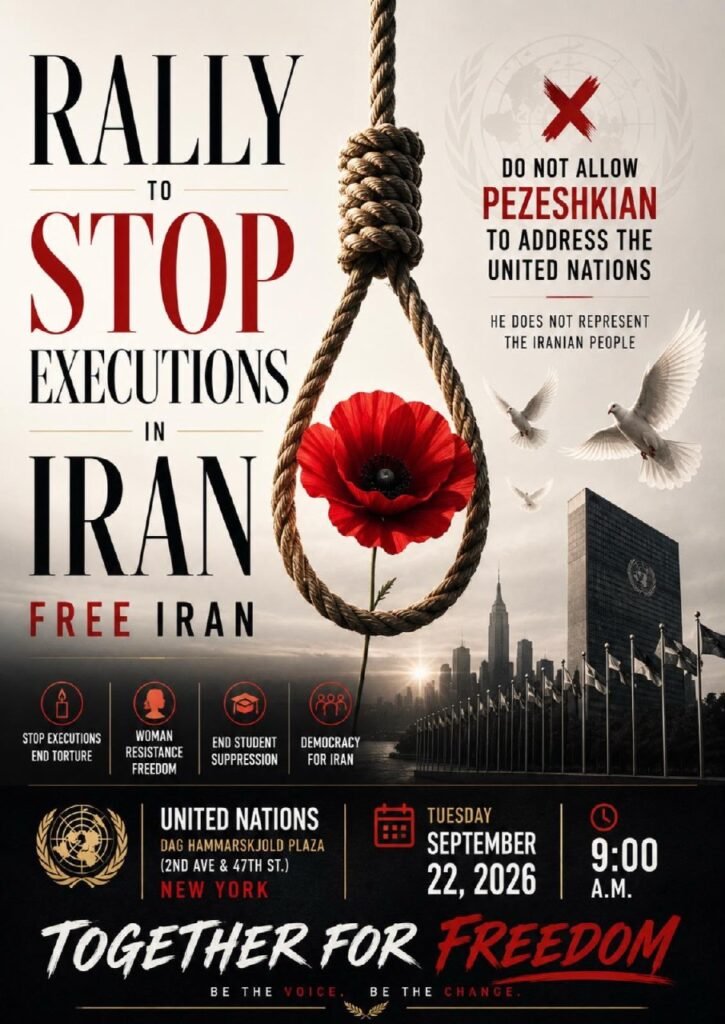
RALLY TO STOP EXECUTIONS IN IRAN

DO NOT ALLOW PEZESHKIAN TO ADDRESS THE UNITED NATIONS

HE DOES NOT REPRESENT THE IRANIAN PEOPLE

STOP EXECUTIONS END TORTURE

END STUDENT SUPPRESSION

TOGETHER FOR FREEDOM

BE THE VOICE. BE THE CHANGE.

Join US:

TUESDAY SEPTEMBER 22, 2026 9:00 A.M.

UNITED NATIONS DAG HAMMARSKJOLD PLAZA (2ND AVE & 47TH ST.) NEW YORK

发表在 Uncategorized | 留下评论

《1984》读后感:当预言成为现实的阴影

乔治·奥威尔的《1984》并不是一本普通的小说。它更像是一面被时间打磨得越来越清晰的镜子,照见的不是过去,而是不断逼近的现在与可能的未来。

第一次读它时,我只觉得压抑、阴冷、令人窒息;再读时,却发现许多细节已经不再“荒诞”,而是隐隐带着熟悉的寒意。这本书写于1948年,却精准地预言了极权主义如何以最精致、最系统的方式吞噬人的自由、记忆与灵魂。它不是科幻,而是政治预言;不是夸张,而是对权力本质的冷静解剖。

小说的背景设定在1984年的“大洋国”。这是一个被“党”绝对控制的世界。老大哥的肖像无处不在,标语“战争即和平、自由即奴役、无知即力量”被反复灌输。人们生活在电幕的监视下,思想警察随时可能出现,连梦境都可能成为罪证。主人公温斯顿·史密斯是外党的一名小职员,负责篡改历史档案。他隐隐感到这个世界不对劲,却无法说清哪里不对。他偷偷写日记,爱上了同样渴望自由的朱莉娅,并最终被带入“兄弟会”的陷阱。故事的结局冷酷而绝望:温斯顿被彻底改造,学会了“爱”老大哥。他失去的不仅是身体的自由,更是作为人最核心的东西——独立思考的能力与真实的情感。

《1984》最令人震撼的,首先是它对“真理”的彻底颠覆。在大洋国,过去不是固定的,而是可以被随时改写的。报纸、档案、照片,一切记录都可以根据当下的政治需要被修改。昨天还是盟友的欧亚国,今天就成了永远的敌人;昨天还被歌颂的英雄,今天就从历史上彻底消失。温斯顿的工作就是把这些谎言变成“事实”。奥威尔通过这个细节尖锐地指出:当权力掌握了过去,它就掌握了现在;当它掌握了现在,它就掌握了未来。历史不再是客观的记录,而成为权力的工具。这种对真相的操控,比单纯的暴力更加可怕,因为它从根本上瓦解了人们判断是非的基础。一个人如果连自己的记忆都无法信任,又如何能够反抗?

其次是语言的控制。新话(Newspeak)的设计,是全书最精妙也最令人毛骨悚然的部分之一。党通过不断缩减词汇、消灭细微差别,使人们最终无法表达、甚至无法思考“危险”的思想。思想犯罪之所以可能被消灭,是因为表达思想的工具被提前拆除了。奥威尔深刻地认识到:语言不仅是交流的工具,更是思维的边界。当语言被净化到只剩官方允许的意义时,自由意志也就失去了立足之地。双想(doublethink)则更进一步——它要求人们同时接受两个互相矛盾的观点,并真诚地相信两者都是正确的。这种精神上的自我分裂,使个体彻底臣服于权力。人不再需要被强迫,而是主动参与对自己的欺骗。

再者,是全面的监视与心理控制。电幕既是宣传工具,也是监视工具。它无时不在,让人永远处于被观看的状态。更可怕的是,监视并不止于外在行为,它深入到内心。思想警察要的不只是表面的服从,而是发自内心的忠诚。酷刑在《1984》中不仅仅是肉体的折磨,更是对灵魂的重塑。房间101里最恐惧的事物,被用来摧毁一个人最后的抵抗意志。温斯顿最终背叛了朱莉娅,也背叛了自己。奥威尔用这个结局告诉我们:极权主义的目标不是杀死身体,而是杀死人的精神。当一个人学会了“爱”压迫自己的力量,真正的奴役就完成了。

读《1984》,很难不联想到现实。奥威尔写作时,正值二战结束、冷战开始,他目睹了纳粹与斯大林主义的暴行。他担心的不是某一种具体的意识形态,而是权力本身一旦失去制衡,会如何走向绝对。今天回看,书中的许多元素已经以不同形式出现在现代社会:无处不在的监控摄像头与数据收集、算法推荐造成的信息茧房、舆论场中对“正确叙事”的强调、历史争议中的选择性遗忘,以及人们对复杂问题的简单化、口号化处理。当然,现实世界远比小说复杂,也远未走到大洋国的程度。但《1984》的价值正在于它提醒我们:极权的种子往往埋在日常的妥协与冷漠之中。当人们习惯了被监视、习惯了接受被简化的真相、习惯了用情绪代替思考时,自由的空间就会一点一点被压缩。

这本书也让我重新思考“自由”的含义。温斯顿最初的反抗是微小的——写日记、与朱莉娅私会、寻找真相。这些行为在大洋国是致命的,但在人类意义上却是珍贵的。自由不是抽象的口号,而是能够说“不”的能力,是能够保留私人记忆与情感的空间,是能够怀疑官方叙事的权利。朱莉娅的反抗更多出于本能与欲望,温斯顿则带有知识分子的挣扎。他们最终都失败了,但这并不意味着反抗没有意义。奥威尔通过他们的悲剧,强调的是:在绝对权力面前,个人的力量是微弱的,但放弃思考与感受,则是更大的失败。

《1984》的结尾之所以令人绝望,是因为它不给人廉价的希望。温斯顿被改造后,“胜利”属于党。这种冷酷的真实感,恰恰是小说力量的来源。它不像某些作品那样在最后安排英雄式的逆转,而是直面权力的强大与人性的脆弱。奥威尔似乎在说:如果人们不警惕,这样的世界就可能到来;而一旦到来,个人几乎无法凭一己之力扭转。因此,真正的抵抗必须发生在它尚未完全成形之前——在语言还没有被彻底污染、在记忆还没有被大规模改写、在人们还保有怀疑能力的时候。

多年后再读《1984》,我感受到的不只是恐惧,还有一种清醒的责任感。它让我更加珍惜能够公开讨论、质疑、犯错的权利;更加警惕任何试图垄断真相、简化历史、操控情感的力量;也更加理解,自由从来不是一劳永逸的礼物,而是需要每一代人不断维护的成果。老大哥的眼睛或许不会以小说中的形式出现,但监视、宣传、语言净化与历史操控的机制,却可能以更隐蔽、更技术化的方式渗透进日常生活。

《1984》不是要让人陷入悲观,而是要让人保持警觉。它像一声持续的警报,提醒这个世界:当一个社会开始惩罚思想、改写记忆、消灭私人空间时,真正的危险已经临近。温斯顿的失败是个体的悲剧,但奥威尔的写作本身,却是对这种悲剧的抵抗。他用文字留下了记录,留下了警告,也留下了希望——希望后来的读者能够看清权力的本质,并在还来得及的时候,守住作为人的尊严与自由。

作为一个从中国逃离的人,我深叹这本书的惊人预见性,可叹的是绝大多数中国人没有在合适的时间读到它,而现今的2026的中国与书中的1984何其相似,只是时间的脚步已经前进了整整42年,而中国却倒回了1984。读完这本书,我久久无法平静。它不是娱乐,而是镜子;不是故事,而是预言。而最令人不安的是,这面镜子里映出的,是中国人正在行走的路。如果时间能够倒回到更早的过去,也许我们都该从温斯顿的命运中汲取教训,在还有选择的时候,选择清醒,选择记忆,选择做一个能够思考的人。

作者:A I、林云

发表在 最新文章, 自由中国论坛 | 留下评论

Latest Outlook for the U.S. Stock Market in 2026

Author: AI

As of August 2026, the U.S. stock market has demonstrated remarkable resilience after experiencing significant volatility earlier in the year. The S&P 500, Dow Jones Industrial Average, and Nasdaq Composite have repeatedly reached new highs, driven by the artificial intelligence (AI)-led technology boom. However, geopolitical conflicts, trade frictions, and social policy shifts continue to inject uncertainty. Investors face a complex environment: on one hand, tech giants (particularly the “Magnificent Seven” and related semiconductor companies) account for the majority of expected market growth; on the other, Middle East energy risks, inflationary pressures from tariffs, and profound adjustments in domestic policy and social structure create ongoing challenges. This article examines the current trajectory of U.S. equities through three core dimensions: the U.S.-Iran geopolitical conflict, the evolution of the U.S.-China trade conflict, and changes in American society alongside President Trump’s policies.

1. How the U.S.-Iran Geopolitical Conflict Will Affect the Stock Market

The U.S.-Iran conflict that erupted in late February 2026 (often referred to as the “Iran War”) represents the largest short-term external shock currently facing U.S. stocks. Centered on control of the Strait of Hormuz, Iran’s nuclear program, and regional influence, the conflict has repeatedly disrupted shipping through the strait and caused sharp fluctuations in oil prices. Brent crude and West Texas Intermediate (WTI) briefly exceeded $100 per barrel in the early stages of the conflict. Although prices later retreated, they remained elevated in the $85–93 range as of mid-to-late August—well above pre-conflict levels.The impact on equities has followed a pattern of “short-term shock, medium-term adaptation, and limited long-term effect.” Historical data show that following most major geopolitical events since 1940, the S&P 500’s subsequent 6- to 12-month returns have been close to long-term averages. In the early phase of this conflict, the S&P 500 fell approximately 9% from its January peak, with larger declines in international and emerging markets. The market bottomed in late March and rebounded strongly, partly due to repeated statements from the Trump administration that a deal was near, as well as growing market optimism about the conflict’s duration. The AI-driven tech boom has acted as a buffer: U.S. equity growth remains highly concentrated in technology giants, whose strong revenue growth expectations leave them relatively less exposed to direct disruptions from Middle East energy supplies.Risks, however, remain far from resolved. Multiple ceasefire agreements (including the June memorandum of understanding) have collapsed, with both sides oscillating between strait blockades, sanctions, and limited military strikes. In August, the United States threatened “economic D-Day”-style secondary sanctions, the Iranian rial depreciated sharply, and shipping costs rose. Persistently high oil prices push up gasoline and transportation costs, elevating inflation expectations. This has already led markets to reprice the probability of Federal Reserve rate hikes by year-end, driving Treasury yields higher and occasionally causing simultaneous pressure on stocks and bonds. If the conflict becomes prolonged and oil stabilizes above $90, corporate earnings forecasts may be revised downward—particularly for consumer cyclical and airline sectors sensitive to energy costs—while defense, aerospace, and energy sectors could relatively benefit.Looking ahead, U.S. stocks will remain sensitive to conflict-related news in the short term. If shipping through the strait gradually recovers and negotiations make substantive progress, a decline in oil prices would provide upside room, potentially allowing the S&P 500 to resume its pre-conflict upward trend. A full-scale escalation could trigger an adjustment of around 10%, but the probability of a full bear market remains low, given ample U.S. domestic energy production, strong technology fundamentals, and the historical tendency for geopolitical shocks to create buying opportunities. Investors should consider energy hedges while remaining vigilant about the inflation-interest rate feedback loop that could pressure high-valuation technology stocks.

2. How the U.S.-China Trade Conflict Will Evolve and Affect the U.S. Market

Since the start of President Trump’s second term, U.S.-China trade relations have entered a deeper phase of “decoupling and rebalancing.” China’s share of U.S. goods imports has fallen sharply from about 21% in 2016 to around 9% in 2025, with the decline continuing into 2026. The bilateral goods trade deficit has narrowed significantly, but at the cost of a concurrent drop in U.S. exports to China and accelerated supply-chain shifts toward Vietnam, Mexico, and other locations.Tariff policy has undergone multiple iterations: from early sharp increases, to temporary truces, and then to renewed escalation in 2026 through Section 301 of the Trade Act, forced-labor investigations, and “reciprocal tariffs.” The effective tariff rate rose back above 11–12% by mid-2026. Although the two sides have held diplomatic contacts, including meetings in Beijing, and reached some principle agreements on agricultural purchases, structural contradictions—technology restrictions, national security, and industrial policy—remain difficult to resolve fundamentally. The United States has also expanded tariff measures to more trading partners, even generating friction with allies such as Canada, indicating that protectionism has broadened from bilateral to multilateral scope.The impact on U.S. equities is dual-edged. On the negative side, tariffs have raised import costs and contributed to inflationary pressure (with some estimates showing clear pass-through to core goods inflation). Supply-chain restructuring has increased operating costs for companies, weighing on earnings of export-oriented and import-dependent firms. Markets remain highly sensitive to trade uncertainty, and tariff announcements often trigger short-term sell-offs. On the positive side, decoupling has accelerated domestic manufacturing reshoring and policy support, benefiting some domestic companies. At the same time, markets have to a certain extent “grown accustomed” to a high-tariff environment, with the wave of AI capital expenditure masking weakness in some traditional sectors.Looking toward the second half of 2026 and year-end, the U.S.-China trade conflict is likely to settle into a pattern of “high tariffs as the new normal combined with limited negotiations.” Complete removal of tariffs appears unlikely, while extreme escalation (such as full implementation of permanent normal trade relations revocation) is also constrained by economic costs. For U.S. stocks, this implies heightened volatility without systemic collapse. Benefiting sectors include domestic manufacturing, semiconductor equipment (with differentiation due to export controls), and defense-related areas. Sectors at risk include retail and consumer electronics reliant on Asian supply chains. Overall, trade frictions exert a drag on GDP growth (some institutions estimate a reduction of about 1 percentage point), yet strong technology investment and consumer spending—particularly among higher-income groups—can still support the market. Investors should closely monitor any negotiation windows around November and the indirect effects of tariffs on Federal Reserve policy.

3. What Changes Are Occurring in American Society and How President Trump’s Policies Will Affect the U.S. Market

American society is undergoing profound structural transformation. Political polarization continues to intensify. Economically, a “K-shaped” divergence has emerged: higher-income households and asset holders benefit from rising stock markets and the AI boom, while middle- and lower-income groups continue to feel the pressure of elevated living costs. Large-scale enforcement of immigration policy—including record numbers of deportations and detentions—has altered labor-market dynamics, creating labor shortages in certain industries. In education and culture, an “anti-woke” movement has advanced, with DEI (diversity, equity, and inclusion) programs sharply reduced in corporations and universities, and significant divergences appearing in state-level policies on gender and religious education. With midterm elections approaching, cost-of-living concerns have become a central issue.The Trump administration’s policy mix—tariff protection, extension of tax cuts, deregulation, energy expansion, and tighter immigration—is profoundly shaping the market. Tax cuts and deregulation favor corporate earnings and capital expenditure, particularly in energy and manufacturing. Immigration restrictions may raise wages in some sectors but also intensify inflationary pressures. Large-scale government efficiency reforms (including reductions in the federal workforce) aim to lower spending but may create short-term administrative friction. AI and technology remain the core market drivers; the Trump administration’s overall stance toward technology is supportive, though export controls and technological competition with China add uncertainty.These changes produce complex effects on U.S. equities. On the positive side, policies clearly prioritize “America First” and growth, supporting domestic-themed investments such as defense, nuclear energy, and rare earths. Markets have repeatedly rebounded quickly after policy shocks, demonstrating adaptability to the “Trump trade.” On the negative side, sticky inflation may compel the Federal Reserve to maintain higher interest rates for longer, making a high-valuation market sensitive to rates. Social division and political uncertainty increase the risk of policy reversals, potentially amplifying volatility. Moreover, the growing disconnect between rising stock prices and the lived experience of ordinary Americans—where wealth effects are concentrated among equity holders—may influence consumption patterns and political support.

Overall OutlookU.S. equities still have room to rise in the second half of 2026, though the path will be more uneven. AI-driven earnings growth provides the primary support, while geopolitical and trade risks constitute the main sources of disturbance. If the Iran conflict eases and oil prices decline, combined with the gradual digestion of tariff-related inflation effects, the market could advance to higher levels. Prolonged conflict or full escalation of trade frictions could produce a 10–15% correction. Investors should maintain diversified allocations, focusing on high-quality technology, energy security, and defense sectors, while remaining attentive to interest-rate and inflation data. Social and policy-level changes will continue to shape medium- and long-term themes, but in the short term the market will still be driven primarily by liquidity and corporate fundamentals.Overall, the 2026 U.S. stock market stands at the intersection of technological prosperity and multiple external risks. Its resilience stems from the endogenous dynamism and innovative advantages of the U.S. economy; its vulnerabilities arise from global geopolitical fragmentation and policy uncertainty. Rational risk assessment and a focus on long-term trends remain the key to navigating volatility.

发表在 新思维, 自由中国论坛 | 留下评论

2026年最新美股市场预判

作者:A I

截至2026年8月,美股市场在经历了年初的剧烈波动后,整体展现出惊人的韧性。标普500、道琼斯和纳斯达克指数在人工智能(AI)主导的科技浪潮推动下多次刷新高位,但地缘政治冲突、贸易摩擦和社会政策变革不断注入不确定性。投资者正面临一个复杂的环境:一方面是科技巨头(尤其是“七巨头”及相关半导体企业)贡献了市场大部分增长预期;另一方面是中东能源风险、关税推高的通胀压力,以及国内政策与社会结构的深刻调整。本文将从美国与伊朗的地缘政治冲突、美中贸易冲突演变,以及美国社会变化与特朗普总统政策三个核心维度,对当前美股走势进行预判。

一、美国与伊朗的地缘政治冲突将如何影响股市

2026年2月底爆发的美国-伊朗冲突(常被称为“伊朗战争”)是当前美股面临的最大短期外部冲击。冲突围绕霍尔木兹海峡控制权、伊朗核计划及地区影响力展开,导致海峡航运多次受阻,油价大幅波动。布伦特原油和西德克萨斯中质原油(WTI)在冲突初期一度突破100美元/桶,随后虽回落,但截至8月中下旬仍维持在85-93美元区间的高位,远高于冲突前水平。冲突对股市的影响呈现“短期冲击、中期适应、长期有限”的特征。历史数据显示,自1940年以来多数重大地缘事件后,标普500在随后6-12个月的回报与长期平均水平接近。本次冲突初期,标普500从1月峰值回落约9%,国际和新兴市场跌幅更大。但市场在3月底触底后强劲反弹,部分原因在于特朗普政府多次表态接近达成协议,以及市场对冲突持续时间的判断趋于乐观。AI驱动的科技繁荣成为缓冲器:美股增长高度集中于科技巨头,这些企业收入增长预期强劲,受中东能源中断的直接影响相对较小。然而,风险远未消除。冲突已导致多次停火协议(包括6月的谅解备忘录)破裂,双方在海峡封锁、制裁和有限军事打击之间反复切换。8月,美国威胁实施“经济D-Day”式二级制裁,伊朗里亚尔大幅贬值,航运成本上升。油价持续高企会推高汽油和运输成本,进而抬升通胀预期。这已导致市场对美联储年底加息概率的重新定价,国债收益率上行,股票与债券同步承压的局面偶有出现。若冲突长期化、油价稳定在90美元以上,企业盈利预测可能下修,尤其是消费周期性和航空等能源敏感行业;防御、航空航天和能源板块则可能相对受益。预判方面,美股短期内仍将受冲突消息面驱动而波动。若海峡航运逐步恢复、谈判取得实质进展,油价回落将为市场提供上行空间,标普500有望重回冲突前上升趋势。若冲突再度全面升级,市场可能出现10%左右的调整,但全面熊市的概率较低,因为美国本土能源产量充足、科技基本面强劲,且历史上地缘冲击往往创造买入机会。投资者应关注能源对冲配置,同时警惕通胀-利率反馈循环对高估值科技股的压制。

二、美中贸易冲突将如何演变和影响

美国市场特朗普第二任期以来,美中贸易关系进入更深层次的“脱钩与再平衡”阶段。中国在美国商品进口中的份额已从2016年的约21%大幅下降至2025年的9%左右,2026年仍在继续下滑。双边贸易逆差显著收窄,但代价是美国对华出口同步减少,供应链向越南、墨西哥等地转移加速。关税政策经历了多次迭代:从早期的大幅加征,到临时休战,再到2026年借助《贸易法》第301条款、强制劳动相关调查以及“对等关税”等方式重新加码。有效关税税率在2026年中期回升至11%-12%以上。双方虽有北京会晤等外交接触,并就农产品采购等达成部分原则性协议,但结构性矛盾(技术限制、国家安全、产业政策)难以根本化解。美国还推动对更多贸易伙伴的关税措施,甚至出现与加拿大等盟友的摩擦,显示贸易保护主义已从双边扩展至多边。对美股的影响是双重的。负面方面,关税推高进口成本,已贡献一定通胀压力(部分估算显示对核心商品通胀有明显传递)。供应链重构增加企业运营成本,出口导向和进口依赖型公司盈利承压。市场对贸易不确定性高度敏感,关税公告常引发短期抛售。正面方面,脱钩加速了国内制造业回流和政策支持,部分本土企业受益;同时,市场已在一定程度上“习惯”高关税环境,AI资本支出浪潮掩盖了部分传统行业的疲软。展望2026年下半年至年底,美中贸易冲突可能进入“高关税常态+有限谈判”模式。完全取消关税的可能性很低,但极端升级(如永久正常贸易关系地位撤销的全面实施)概率也受制于经济代价。对美股而言,这意味着波动加剧但非系统性崩溃。受益板块包括本土制造、半导体设备(受出口管制影响分化)、防御相关;受损板块则是零售、依赖亚洲供应链的消费电子。整体上,贸易摩擦对GDP增长有拖累(部分机构估计可降低增长约1个百分点),但强劲的科技投资和消费者支出(尤其是高收入群体)仍能支撑市场。投资者需密切关注11月前后的任何谈判窗口,以及关税对美联储政策的间接影响。

三、美国社会正在发生变化以及川普总统的政策将如何影响美国市场

美国社会正经历深刻的结构性转变。政治极化持续加剧。经济层面呈现“K型”分化:高收入家庭和资产持有者受益于股市上涨和AI繁荣,中低收入群体则持续感受高生活成本压力。移民政策的大规模执行(包括创纪录的遣返和拘留人数)改变了劳动力市场格局,部分行业面临用工紧张。教育、文化领域的“反觉醒”运动推进,DEI(多元、公平、包容)项目在企业和高校大幅收缩,州级政策在性别、宗教教育等方面出现显著分歧。中期选举临近,经济负担能力成为核心议题。特朗普政府的政策组合——关税保护、减税延长、放松监管、能源扩张、移民收紧——正深刻塑造市场。减税和监管放松有利于企业盈利和资本支出,尤其是在能源和制造业。移民限制可能推高部分行业工资,但也加剧通胀压力。大规模政府效率改革(包括联邦劳动力缩减)旨在降低支出,但短期可能引发行政摩擦。AI和科技仍是市场核心驱动力,特朗普政府对科技的态度总体支持,但出口管制和与中国的技术竞争增加了不确定性。这些变化对美股的影响是复杂的。积极面在于政策明确偏向美国优先和增长导向,支持了本土主题投资(如防御、核能、稀土)。市场多次在政策冲击后快速反弹,显示出对“特朗普交易”的适应能力。消极面则是通胀粘性可能迫使美联储维持较高利率更久,高估值市场对利率敏感;社会分裂和政治不确定性增加政策反复风险,可能放大波动。此外,股市上涨与普通美国人感受脱节的现象日益明显,财富效应主要集中在股票持有者,这可能影响消费结构和政治支持度。

综合预判

2026年下半年美股仍有上行空间,但路径将更加崎岖。AI驱动的盈利增长是主要支撑,地缘和贸易风险是主要扰动。若伊朗冲突缓和、油价回落,叠加关税通胀效应逐步消化,市场有望向更高水平迈进。若冲突长期化或贸易摩擦全面升级,则可能出现10%-15%的调整。投资者应坚持多元化配置,重点关注高质量科技、能源安全和防御板块,同时保持对利率和通胀数据的警惕。社会与政策层面的变化将持续影响中长期主题,但短期市场仍由流动性和企业基本面主导。总体而言,2026年的美股市场正处在科技繁荣与多重外部风险的交织点。韧性来自美国经济的内生动力和创新优势,脆弱性则源于全球地缘分裂和政策不确定性。理性评估风险、聚焦长期趋势,仍是穿越波动的关键。

Latest Outlook for the U.S. Stock Market in 2026

Author: AI

As of August 2026, the U.S. stock market has demonstrated remarkable resilience after experiencing significant volatility earlier in the year. The S&P 500, Dow Jones Industrial Average, and Nasdaq Composite have repeatedly reached new highs, driven by the artificial intelligence (AI)-led technology boom. However, geopolitical conflicts, trade frictions, and social policy shifts continue to inject uncertainty. Investors face a complex environment: on one hand, tech giants (particularly the “Magnificent Seven” and related semiconductor companies) account for the majority of expected market growth; on the other, Middle East energy risks, inflationary pressures from tariffs, and profound adjustments in domestic policy and social structure create ongoing challenges. This article examines the current trajectory of U.S. equities through three core dimensions: the U.S.-Iran geopolitical conflict, the evolution of the U.S.-China trade conflict, and changes in American society alongside President Trump’s policies.

1. How the U.S.-Iran Geopolitical Conflict Will Affect the Stock Market

The U.S.-Iran conflict that erupted in late February 2026 (often referred to as the “Iran War”) represents the largest short-term external shock currently facing U.S. stocks. Centered on control of the Strait of Hormuz, Iran’s nuclear program, and regional influence, the conflict has repeatedly disrupted shipping through the strait and caused sharp fluctuations in oil prices. Brent crude and West Texas Intermediate (WTI) briefly exceeded $100 per barrel in the early stages of the conflict. Although prices later retreated, they remained elevated in the $85–93 range as of mid-to-late August—well above pre-conflict levels.The impact on equities has followed a pattern of “short-term shock, medium-term adaptation, and limited long-term effect.” Historical data show that following most major geopolitical events since 1940, the S&P 500’s subsequent 6- to 12-month returns have been close to long-term averages. In the early phase of this conflict, the S&P 500 fell approximately 9% from its January peak, with larger declines in international and emerging markets. The market bottomed in late March and rebounded strongly, partly due to repeated statements from the Trump administration that a deal was near, as well as growing market optimism about the conflict’s duration. The AI-driven tech boom has acted as a buffer: U.S. equity growth remains highly concentrated in technology giants, whose strong revenue growth expectations leave them relatively less exposed to direct disruptions from Middle East energy supplies.Risks, however, remain far from resolved. Multiple ceasefire agreements (including the June memorandum of understanding) have collapsed, with both sides oscillating between strait blockades, sanctions, and limited military strikes. In August, the United States threatened “economic D-Day”-style secondary sanctions, the Iranian rial depreciated sharply, and shipping costs rose. Persistently high oil prices push up gasoline and transportation costs, elevating inflation expectations. This has already led markets to reprice the probability of Federal Reserve rate hikes by year-end, driving Treasury yields higher and occasionally causing simultaneous pressure on stocks and bonds. If the conflict becomes prolonged and oil stabilizes above $90, corporate earnings forecasts may be revised downward—particularly for consumer cyclical and airline sectors sensitive to energy costs—while defense, aerospace, and energy sectors could relatively benefit.Looking ahead, U.S. stocks will remain sensitive to conflict-related news in the short term. If shipping through the strait gradually recovers and negotiations make substantive progress, a decline in oil prices would provide upside room, potentially allowing the S&P 500 to resume its pre-conflict upward trend. A full-scale escalation could trigger an adjustment of around 10%, but the probability of a full bear market remains low, given ample U.S. domestic energy production, strong technology fundamentals, and the historical tendency for geopolitical shocks to create buying opportunities. Investors should consider energy hedges while remaining vigilant about the inflation-interest rate feedback loop that could pressure high-valuation technology stocks.

2. How the U.S.-China Trade Conflict Will Evolve and Affect the U.S. Market

Since the start of President Trump’s second term, U.S.-China trade relations have entered a deeper phase of “decoupling and rebalancing.” China’s share of U.S. goods imports has fallen sharply from about 21% in 2016 to around 9% in 2025, with the decline continuing into 2026. The bilateral goods trade deficit has narrowed significantly, but at the cost of a concurrent drop in U.S. exports to China and accelerated supply-chain shifts toward Vietnam, Mexico, and other locations.Tariff policy has undergone multiple iterations: from early sharp increases, to temporary truces, and then to renewed escalation in 2026 through Section 301 of the Trade Act, forced-labor investigations, and “reciprocal tariffs.” The effective tariff rate rose back above 11–12% by mid-2026. Although the two sides have held diplomatic contacts, including meetings in Beijing, and reached some principle agreements on agricultural purchases, structural contradictions—technology restrictions, national security, and industrial policy—remain difficult to resolve fundamentally. The United States has also expanded tariff measures to more trading partners, even generating friction with allies such as Canada, indicating that protectionism has broadened from bilateral to multilateral scope.The impact on U.S. equities is dual-edged. On the negative side, tariffs have raised import costs and contributed to inflationary pressure (with some estimates showing clear pass-through to core goods inflation). Supply-chain restructuring has increased operating costs for companies, weighing on earnings of export-oriented and import-dependent firms. Markets remain highly sensitive to trade uncertainty, and tariff announcements often trigger short-term sell-offs. On the positive side, decoupling has accelerated domestic manufacturing reshoring and policy support, benefiting some domestic companies. At the same time, markets have to a certain extent “grown accustomed” to a high-tariff environment, with the wave of AI capital expenditure masking weakness in some traditional sectors.Looking toward the second half of 2026 and year-end, the U.S.-China trade conflict is likely to settle into a pattern of “high tariffs as the new normal combined with limited negotiations.” Complete removal of tariffs appears unlikely, while extreme escalation (such as full implementation of permanent normal trade relations revocation) is also constrained by economic costs. For U.S. stocks, this implies heightened volatility without systemic collapse. Benefiting sectors include domestic manufacturing, semiconductor equipment (with differentiation due to export controls), and defense-related areas. Sectors at risk include retail and consumer electronics reliant on Asian supply chains. Overall, trade frictions exert a drag on GDP growth (some institutions estimate a reduction of about 1 percentage point), yet strong technology investment and consumer spending—particularly among higher-income groups—can still support the market. Investors should closely monitor any negotiation windows around November and the indirect effects of tariffs on Federal Reserve policy.

3. What Changes Are Occurring in American Society and How President Trump’s Policies Will Affect the U.S. Market

American society is undergoing profound structural transformation. Political polarization continues to intensify. Economically, a “K-shaped” divergence has emerged: higher-income households and asset holders benefit from rising stock markets and the AI boom, while middle- and lower-income groups continue to feel the pressure of elevated living costs. Large-scale enforcement of immigration policy—including record numbers of deportations and detentions—has altered labor-market dynamics, creating labor shortages in certain industries. In education and culture, an “anti-woke” movement has advanced, with DEI (diversity, equity, and inclusion) programs sharply reduced in corporations and universities, and significant divergences appearing in state-level policies on gender and religious education. With midterm elections approaching, cost-of-living concerns have become a central issue.The Trump administration’s policy mix—tariff protection, extension of tax cuts, deregulation, energy expansion, and tighter immigration—is profoundly shaping the market. Tax cuts and deregulation favor corporate earnings and capital expenditure, particularly in energy and manufacturing. Immigration restrictions may raise wages in some sectors but also intensify inflationary pressures. Large-scale government efficiency reforms (including reductions in the federal workforce) aim to lower spending but may create short-term administrative friction. AI and technology remain the core market drivers; the Trump administration’s overall stance toward technology is supportive, though export controls and technological competition with China add uncertainty.These changes produce complex effects on U.S. equities. On the positive side, policies clearly prioritize “America First” and growth, supporting domestic-themed investments such as defense, nuclear energy, and rare earths. Markets have repeatedly rebounded quickly after policy shocks, demonstrating adaptability to the “Trump trade.” On the negative side, sticky inflation may compel the Federal Reserve to maintain higher interest rates for longer, making a high-valuation market sensitive to rates. Social division and political uncertainty increase the risk of policy reversals, potentially amplifying volatility. Moreover, the growing disconnect between rising stock prices and the lived experience of ordinary Americans—where wealth effects are concentrated among equity holders—may influence consumption patterns and political support.

Overall OutlookU.S. equities still have room to rise in the second half of 2026, though the path will be more uneven. AI-driven earnings growth provides the primary support, while geopolitical and trade risks constitute the main sources of disturbance. If the Iran conflict eases and oil prices decline, combined with the gradual digestion of tariff-related inflation effects, the market could advance to higher levels. Prolonged conflict or full escalation of trade frictions could produce a 10–15% correction. Investors should maintain diversified allocations, focusing on high-quality technology, energy security, and defense sectors, while remaining attentive to interest-rate and inflation data. Social and policy-level changes will continue to shape medium- and long-term themes, but in the short term the market will still be driven primarily by liquidity and corporate fundamentals.Overall, the 2026 U.S. stock market stands at the intersection of technological prosperity and multiple external risks. Its resilience stems from the endogenous dynamism and innovative advantages of the U.S. economy; its vulnerabilities arise from global geopolitical fragmentation and policy uncertainty. Rational risk assessment and a focus on long-term trends remain the key to navigating volatility.

发表在 Uncategorized | 留下评论

中国为什么不敢开放国际互联网 ? (有效打破中共互联网防火墙,欢迎下载打印邮寄)

身在远方素未谋面的朋友:

见信好。

今天写这封信其实也是因为我生活在中国多少年来非常困惑的问题:中国为什么至今不能开放国际互联网?

有人说中国有网络,而且非常发达,微信甚至可以全世界到处支付了。但请大家看看你们在国内能访问世界上的什么国家网站?世界著名的大学网站或者谷歌、油管、脸书这些拥有最丰富免费信息和知识的网站能访问?推特、福克斯、彭博新闻、BBC、CNN这些在国际上最著名的网站新闻能看到吗?为什么中国共产党领导的政府不让中国人自由连接国际互联网呢?

我曾经使用过无界和自由门等翻墙软件,但是软件使用并不稳定,时常掉线而且访问的网站也受到限制,偶尔我还发现不用梯子,我也能访问个别台湾的网站,甚至美国白宫网站偶然也若隐若现,能看到目录,但是却不能继续打开目录的内容。

根据国际组织监测,目前全球范围内对国际互联网实施全面或高度严格封锁的国家主要包括中国、朝鲜、伊朗、叙利亚、土库曼斯坦、古巴、厄立特里亚等少数国家。在自由之家(Freedom House)等组织的互联网自由度报告中,中国常年位列全球倒数,言论自由度排名也长期处于世界末尾(2025-2026年相关指数中,与朝鲜、伊朗等并列)。 这非常让人困惑。中国不是有年年让人赞叹的GDP增长吗?中国不是有科技遥遥领先的天宫号太空站吗?中国不是有让人艳羡的跨海大桥、机场高楼、东风三号洲际导弹吗?为什么中国已经拥有全世界第二的经济总量,却还不敢开放国际互联网呢?中国领导们的自信在哪里?

是因为开放国际互联网,将使民众轻易接触到被官方教科书刻意淡化或篡改的历史细节吗?比如,中共最初是苏联共产国际经费支持下建立的,中共其实是共产国际的分支,听命于境外势力。中共早期在根据地时期的财政来源也曾涉及鸦片贸易。

另外,中共的军事壮大离不开苏联(共产国际)的资金、武器和顾问支持。1945年苏联将大量缴获的日军装备移交给中共军队,这成为后来内战中中共军队装备改善的关键。早期中共曾承诺建立“民主联合政府”、实现“耕者有其田”等,但在1949年后抛弃承诺迅速转向一党专政,这不就是欺骗吗?其实中共在夺取政权的过程中还有不少令人发指、惨绝人寰的事件至今掩盖。 建国后中共领导下的普通百姓并没有过几天好日子,中共擅长利用群众制造阶级对立。1949-1953年的土改及镇反运动中利用群众斗群众。公开处决、打死、活埋、逼迫自杀、抄家后冻饿而死的死亡人数保守估计达到20万-80万。许多地方实行“村村流血、户户斗争”。数亿亩土地被重新分配,但农民获得分配土地后却很快又通过集体化收归公有。

在中共施行计划生育的国策导致无数怀孕妇女被计生干部强行带走堕胎。甚至农村妇女在怀孕7-8个月时遭强制引产,出生婴儿有时被直接杀害或遗弃。 不少家庭因超生被罚款、拆房甚至拘留。

1989年中共在北京天安门等地对手无寸铁的学生和市民进行了一场血腥的屠杀,仅仅因为他们要求政府打击腐败,仅仅要求政府开放言论和改革。 这次事件中的死亡学生和市民人数至少在三千人以上,但是中国有多少人懂得这段历史?

中共统治下信仰自由也是空话。1999年以来被迫害致死的法轮功学员人数超过5000人。在新疆维吾尔自治区,中国政府2017年以来大规模建立“再教育营”系统,涉及上百万维吾尔族、哈萨克族穆斯林。被拘留者被迫放弃伊斯兰信仰强迫学习普通话和“效忠党”,同时遭受强迫劳动、酷刑和强制绝育。 最讽刺的是中共高层一方面要求民众“为国奉献、艰苦奋斗”,另一方面却疯狂贪腐”闷声发大财”,他们将个人家族资产不断转移至西方社会。这种 hypocrisy(伪善)是政权最害怕暴露的痛点之一。巴拿马文件和国际调查记者联盟(ICIJ)的泄露 文件显示,多位中共高层亲属在英属维尔京群岛等地设立离岸公司,持有巨额海外资产。包括前总理亲属、现任高层家族成员等,通过地下钱庄、离岸金融工具将财富转移到美欧、澳大利亚等地。 他们宣扬“社会主义核心价值观”和“共同富裕”,却让子女情人在西方享受奢华的生活,享受民主自由;自己子女留学名校、持有外国护照,而普通民众连护照办理都受到严格限制。

即使在官方“打虎”行动中,也暴露出权贵阶层惊人的海外和隐秘资产。一些已经公开的案件中官员受贿的金额动就达到上亿的金额,几乎每个贪腐官员背后都有几个甚至几十个情人。 前政治局常委、政法委书记周永康是习近平反腐中落马的最高级别官员之一。其家族及亲信被没收资产价值约14亿美元(约合人民币90多亿元),可这只是冰山一角,还有众多的高层家族通过权力寻租积累了巨额财富。如果开放互联网中国人还可能触及邓家、江家、习家等中共最高层家族的更惊人腐败信息。

显然,关起门来就是为了自说自话,一切政府领导说了算。他们严格控制信息渠道,阻碍民众与世界的自由沟通。任何负面事件——从地方腐败、环境污染、疫情真相,到维权抗议——都能被迅速压制。看看老百姓的生活有多幸福?仅从养老金这一项看,中国农村居民基础养老金2025年前后多数省份每月仅200-300元人民币,大多数农村老人每月领取不足400元,完全难以覆盖基本医疗和生活开支,部分地区甚至出现农村老人生病后”自我了断”的情况。从网上看看台湾:国民年金或劳保年金等每月普遍在数千新台币(约合人民币1000-2000元以上),叠加其他福利后,退休生活质量远高于大陆农村。这种差距却被官方长期隐瞒,充满自信的”党”和”政府”就是不愿意让人们看到境内外人民生活水平的巨大差距。

一边是GDP持续增长的宏大叙事,另一边还出现“全世界大逃亡”的”太平盛世”景象。中国官方GDP数据不断攀升,但大量中国人用脚投票,通过各种途径偷渡逃亡,寻求海外庇护,早就形成一股规模可观的移民与逃亡潮。在2012-2021财年的十年间,中国申请美国庇护总申请量达数万至十余万宗(还有一些偷渡进入美国的中国人并没有申请庇护而黑在美国)。近年来申请量进一步上升:2023财年到2025年,通过南部边境等方式提交庇护申请的中国人数显著增加。在美国处于寻求庇护状态(正在申请或审理中)的中国公民累计超过14万人。而在澳大利亚、加拿大、欧盟以及日本韩国泰国等国家每年同样面对大量的从中国逃亡的庇护以及难民申请者。

其实控制互联网的核心目标就是将十几亿中国人塑造成适合统治的“工具人”和现代奴隶。通过算法推送、爱国主义教育、删除负面信息和封杀异见,培养出对党忠诚、对外敌视、对内顺从的乌合之众。社交媒体上充斥“战狼”式言论,小粉红文化盛行,再现全民热衷学”习”理论的文革景象,只是当年的那”忠”字舞变成了手机上翻飞的学”习”软件变成了小红书而已。可以想像这是所谓改革开放三十年后的国家吗?而这正是长期单向信息操控的结果。

这种洗脑不仅服务于国内统治,更延伸到了国际舞台。 由于关闭互联网,中共可轻易操纵舆论,将民众情绪导向民族主义高潮,用于外交施压、经济胁迫甚至潜在军事冒险。封闭的互联网确保了这种操纵的单向性和高效性。

总而言之,一个正常的国家民众理应当享有知情权、言论权和选择权,更何况是一个充满优越性的盛世和全球”第二强国”?一个国家长久信任与繁荣是不可能建立在欺骗的围城下的。

朋友,阻碍我们获得信息自由的不是领导口中的敌人,也不是美国日本英国,它是谁我们现在心里都很清楚。所以,让我们提出一个问题,习总们你们自信在哪?如果你们坚信中共是一个”光荣、正确、伟大”的党,请开放国际互联网!

只有让人民拥有信息自由的权利,让中国人看到真实的世界,中国人才能真正自信起来,而那时中国才可能成为一个真正自信而负责任的大国,中国人才能真正拥抱灿烂的文明!

祝一切顺利!

自由中国

(以下英文版)

Why Does China Dare Not Open the International Internet?
(Effective ways to break through the CCP’s internet firewall — feel free to download, print, and mail)

Dear friends

far away whom I have never met:

Greetings.I write this letter today because of a question that has long puzzled me after living in China for so many years: Why has China still not opened the international internet to this day? Some people say China has the internet, and it is very developed — WeChat can even be used for payments around the world. But please take a look: what websites from other countries can you actually access inside China? Can you visit the websites of the world’s famous universities, or Google, YouTube, Facebook — platforms that hold the richest free information and knowledge? Can you read news from Twitter, Fox News, Bloomberg, BBC, CNN — the most well-known international media outlets? Why does the government led by the Chinese Communist Party not allow Chinese people to freely connect to the international internet?

I have used software such as UltraSurf and Freegate to circumvent the firewall, but these tools are unstable, frequently disconnect, and the websites they can access are also restricted. Occasionally I have found that without any VPN I could still access certain Taiwanese websites, and even the White House website would appear faintly from time to time — I could see the directory, but could not open the actual contents.According to monitoring by international organizations, the countries that currently impose comprehensive or highly strict blockades on the international internet worldwide mainly include China, North Korea, Iran, Syria, Turkmenistan, Cuba, Eritrea, and a few others. In reports on internet freedom by organizations such as Freedom House, China has consistently ranked near the bottom globally, and its ranking on freedom of speech has also long remained at the very end of the world (in the relevant indices for 2025–2026, it is listed alongside North Korea, Iran, and others).This is deeply puzzling. Does China not have GDP growth that people marvel at year after year? Does it not have the technologically advanced Tiangong space station? Does it not have the enviable cross-sea bridges, airports, skyscrapers, and Dongfeng intercontinental ballistic missiles? Why, when China already possesses the world’s second-largest economy, does it still dare not open the international internet?

Where is the confidence of China’s leaders?

Is it because opening the international internet would allow the public to easily access historical details that official textbooks deliberately downplay or distort?

For example, the Chinese Communist Party was initially established with funding from the Soviet Comintern; the CCP was in fact a branch of the Comintern and obeyed foreign forces. In its early base areas, the CCP’s financial sources also involved the opium trade.Moreover, the military strengthening of the CCP could not have occurred without the funds, weapons, and advisors provided by the Soviet Union (Comintern). In 1945, the Soviet Union transferred large quantities of captured Japanese equipment to the CCP’s army, which became key to the improvement of the CCP army’s equipment during the subsequent civil war. In its early years the CCP promised to establish a “democratic coalition government” and to realize “land to the tiller,” yet after 1949 it abandoned these promises and rapidly shifted to one-party dictatorship — is this not deception? In the process of seizing power, the CCP also committed many appalling and horrific acts that remain covered up to this day.After the founding of the People’s Republic, ordinary people under CCP rule did not enjoy even a few days of good life. The CCP is skilled at using the masses to create class antagonism. During the land reform and the campaign to suppress counter-revolutionaries from 1949 to 1953, the masses were used to struggle against the masses. The number of deaths from public executions, beatings, live burials, forced suicides, and freezing or starvation after homes were ransacked is conservatively estimated at 200,000 to 800,000. In many places the principle was “bloodshed in every village, struggle in every household.” Hundreds of millions of mu of land were redistributed, yet after peasants received their allocated land it was quickly taken back into public ownership through collectivization.

The national policy of family planning implemented by the CCP led to countless pregnant women being forcibly taken away by family-planning cadres for abortions. Even rural women who were seven or eight months pregnant were subjected to forced late-term abortions; newborn infants were sometimes killed outright or abandoned. Many families were fined, had their houses demolished, or were even detained for having extra children.

In 1989, the CCP carried out a bloody massacre of unarmed students and citizens in Tiananmen Square in Beijing and elsewhere, merely because they demanded that the government crack down on corruption and open up speech and reform. The number of students and citizens killed in this incident was at least three thousand, yet how many people in China know this history?

Under CCP rule, freedom of belief is also empty talk. Since 1999, more than 5,000 Falun Gong practitioners have been persecuted to death. In the Xinjiang Uyghur Autonomous Region, since 2017 the Chinese government has massively established a system of “re-education camps,” involving more than a million Uyghur and Kazakh Muslims. Detainees were forced to abandon their Islamic faith, compelled to learn Mandarin and “pledge loyalty to the Party,” while simultaneously suffering forced labor, torture, and forced sterilization.Most ironically, while CCP high-ranking officials demand that the people “contribute to the country and work hard in difficult conditions,” they themselves engage in frenzied corruption and “quietly make a fortune,” continuously transferring personal and family assets to Western societies. This hypocrisy is one of the regime’s most feared points of exposure. The Panama Papers and documents leaked by the International Consortium of Investigative Journalists (ICIJ) show that relatives of multiple high-ranking CCP officials established offshore companies in places such as the British Virgin Islands and held enormous overseas assets. This includes relatives of a former premier and members of current high-level families, who transferred wealth to the United States, Europe, Australia, and elsewhere through underground banks and offshore financial tools. They promote “socialist core values” and “common prosperity,” yet allow their children and mistresses to enjoy luxurious lives and democratic freedoms in the West; their own children study at prestigious foreign universities and hold foreign passports, while ordinary citizens face strict restrictions even in applying for passports.Even in the official “tiger-hunting” anti-corruption campaign, the astonishing overseas and hidden assets of the privileged class have been exposed. In some publicly reported cases, the amounts of bribes received by officials easily reach hundreds of millions of yuan, and almost every corrupt official has several or even dozens of mistresses behind him. Former Politburo Standing Committee member and Secretary of the Central Political and Legal Affairs Commission Zhou Yongkang was one of the highest-ranking officials brought down in Xi Jinping’s anti-corruption campaign. The assets of his family and confidants that were confiscated were valued at approximately $1.4 billion (over 9 billion RMB), yet this is only the tip of the iceberg. Numerous high-level families have accumulated enormous wealth through power rent-seeking. If the internet were opened, Chinese people might also come across even more astonishing corruption information about the highest-level CCP families such as the Deng, Jiang, and Xi families.Clearly.

closing the door is for the purpose of talking only to themselves, with everything decided solely by government leaders. They strictly control information channels and obstruct free communication between the people and the world. Any negative incident — from local corruption, environmental pollution, and the truth about epidemics to rights-defense protests — can be quickly suppressed. Look at how “happy” ordinary people’s lives are. Taking pensions alone: the basic pension for rural residents in China around 2025 is only 200–300 RMB per month in most provinces; the majority of rural elderly receive less than 400 RMB per month, which is completely insufficient to cover basic medical and living expenses. In some areas there have even been cases of rural elderly people ending their own lives after falling ill. Looking online at Taiwan: the national pension or labor insurance pension is generally several thousand New Taiwan dollars per month (equivalent to more than 1,000–2,000 RMB), and with other benefits added, the quality of life in retirement is far higher than that of rural mainland China. This gap has long been concealed by the authorities.On one side is the grand narrative of continuous GDP growth; on the other is the scene of a “great escape from the whole world” under a supposed “prosperous and peaceful age.” Official Chinese GDP figures keep climbing, yet large numbers of Chinese people vote with their feet, escaping by various means, seeking asylum overseas, and have long formed a sizable wave of emigration and flight. In the ten fiscal years from 2012 to 2021, the total number of asylum applications from China to the United States reached tens of thousands to over a hundred thousand (some Chinese who entered the United States illegally did not apply for asylum and remain undocumented). In recent years the numbers have risen further: from fiscal year 2023 to 2025, the number of Chinese submitting asylum applications via the southern border and other means increased significantly. The cumulative number of Chinese citizens in the United States who are in asylum-seeking status (applications pending or under review) exceeds 140,000. Australia, Canada, the European Union, as well as Japan, South Korea, Thailand and other countries, face large numbers of asylum and refugee applicants fleeing from China every year.

In reality, the core goal of controlling the internet is to mold more than a billion Chinese people into “tool people” and modern slaves suitable for rule. Through algorithmic recommendations, patriotic education, deletion of negative information, and the silencing of dissent, a mob is cultivated that is loyal to the Party, hostile to the outside, and obedient internally. Social media is filled with “wolf warrior” rhetoric, little pink culture flourishes, and a Cultural Revolution-like scene of the whole nation enthusiastically studying “Xi” theory reappears — only that the “loyalty dances” of those days have become the study apps flipping on mobile phones and Xiaohongshu. Can one imagine that this is a country after thirty years of so-called reform and opening up? And this is precisely the result of long-term one-way information manipulation.This brainwashing not only serves domestic rule but also extends to the international stage. Because the internet is closed, the CCP can easily manipulate public opinion, directing popular emotions toward nationalist peaks for use in diplomatic pressure, economic coercion, and even potential military adventures. The closed internet ensures the one-directional and highly efficient nature of this manipulation.

In conclusion, the people of a normal country ought to enjoy the rights to know, to speak, and to choose — let alone a country that claims to be a superior prosperous age and the world’s “second strongest power.” Lasting trust and prosperity for a country cannot be built upon a walled city of deception.Friends, what obstructs our freedom of information is not the enemies spoken of by the leaders, nor the United States, Japan, or Britain. We now know clearly in our hearts who it is. Therefore, let us raise a question: Leaders of the Xi era, where is your confidence?Only when the people are given the right to freedom of information can the Chinese people truly become confident. Only then can China possibly become a truly confident and responsible major power, and only then can the Chinese people truly embrace a brilliant civilization!Wishing you all the best.

Free China

发表在 最新文章, 自由中国论坛 | 一条评论

美国是否应当加强对于来自共产中国的公司股票在美国的融资限制及监管

摘要

过去十年,中国公司赴美上市融资规模庞大,但伴随财务造假、披露违规和VIE结构风险等问题,监管争议不断。本文结合数据、案例和风险分析,探讨美国是否应进一步加强限制与监管。重点强调:中国公司海外上市需政府批准,许多实际控制人与政府或政治关联密切,在当前地缘政治紧张背景下,继续为潜在对手提供美元融资需审慎评估。这一观点应成为美国政府、监管机构和投资者的共识。

一、近十年数据全景:波动中的趋势分化

1.1 核心数据统计(2014-2026年)

数据综合Deloitte、Kroll、Renaissance Capital、Dealogic及SEC报告:

年份IPO数量(约)融资总额(亿美元)平均单笔融资(亿美元)主要特征
201420-30+300+高(Alibaba主导)超级大单
2015-201720-30/年10-20/年中等平稳
201833-3592较高贸易摩擦前高峰
201925-3635中等回落
202032-38121高疫情复苏
202134-40130+高高峰
202214-184-6低收紧
202334-417-15低小型为主
202453-5919.1低数量反弹
20256311.2低规模缩小
2026(YTD)3-5+0.2-0.5+低新规制约

趋势分析:

  • 2014-2021年为上升期,总融资数百亿美元。
  • 2022年后数量反弹但质量下降,平均单笔规模大幅缩减。
  • 行业集中于科技、消费、新能源等领域,这些公司上市需中国证监会(CSRC)备案批准,体现了政府对资本外流的管控。

二、财务造假与违规案例深度剖析瑞幸咖啡(Luckin Coffee)案 是典型。2019年上市后,2020年自曝虚增收入约3.1亿美元,涉及系统性伪造交易。公司股价暴跌,美国投资者损失惨重,最终退市。其他违规例子:

  • 教育培训公司:多家涉嫌夸大用户数据和盈利预测,后受中国“双减”政策重创,股价崩盘。
  • 生物医药企业:部分被指临床试验数据不实或隐瞒关联交易。
  • 科技平台公司:存在虚假披露用户规模或关联方交易案例。
  • 其他:部分公司被SEC调查会计问题,或因审计底稿无法充分获取而面临退市风险。

这些案例显示,违规行为并非孤立,而是部分公司治理薄弱的体现。中国公司海外上市必须获得CSRC备案批准,这一过程意味着政府对拟上市企业的审查和默许。

三、中国公司实际股份持有人与政府关联分析

关键事实:中国公司赴美上市并非单纯商业行为,而是嵌入中美大国竞争的复杂框架之中。核心事实是:根据中国《境内企业境外发行证券和上市备案管理办法》,几乎所有中国公司(包括VIE结构企业)赴美上市均需中国证监会(CSRC)备案批准。这一审批机制意味着,中国政府对资本外流和企业海外融资拥有实质控制权。许多成功上市的公司,其实际控制人或最终受益人与政府、国有资本或中共高层及其亲属存在直接或间接关联。

通过多层离岸实体和VIE合同安排,这些公司得以在美国资本市场募集美元资金。地缘政治对抗背景下的系统性风险: 当前中美关系处于战略竞争甚至对抗态势,涉及贸易、科技脱钩、供应链安全、台海问题以及全球影响力争夺。在这一背景下,继续允许大量中国公司通过美国股市获得美元融资,等同于为潜在战略对手提供重要资本支持。这不仅可能增强对手的技术、军事或经济能力,还可能使美国投资者在冲突升级时面临资产冻结、合同无效或强制干预的风险。

这一观点应成为美国政府、SEC、华尔街和投资者的共识。美国资本不应无意中资助潜在竞争对手或军事相关实体。历史经验显示,当中美关系恶化时,此类公司易受中国监管干预,投资者权益受损风险显著增加。VIE结构进一步放大了这一问题:美国投资者持有的并非直接股权,而是合同安排,脆弱性高。一旦中国政府干预(数据安全、国家安全审查),资金链可能断裂。

四、VIE结构、体制差异与系统性风险

VIE是主要工具,但法律风险高。结合政府批准机制和实际控制人背景,跨境上市的透明度远低于西方标准。多方观点:

  • 风险派认为,应大幅限制,避免美国资本支持对手。
  • 平衡派主张针对性监管。
  • 现实共识正在形成:地缘紧张下,融资潜在对手不明智。

五、美国监管演变与政策效果

美国对中概股的监管经历了从被动应对到主动收紧的显著演变。2020年通过的《持有外国公司问责法案》(HFCAA)是关键转折点,该法案要求PCAOB(公众公司会计监督委员会)必须能够连续三年检查中国公司的审计底稿,否则面临强制退市风险。这直接针对VIE结构下审计不透明和信息获取困难的问题。SEC据此加强了披露要求,包括要求公司披露政府持股比例、中共官员在董事会的影响、数据安全风险以及国家干预可能对业务价值的冲击。 2022年后,美国进一步推出多项措施:纳斯达克提出并于2026年生效针对中国公司的额外上市标准,要求中国总部或主要经营地在中国的发行人IPO时需在美国募集至少2500万美元资金,并对SPAC、反向并购等设定类似门槛,以应对小型中概股的操纵风险和低流动性问题。 此外,NDAA(国防授权法)中的Section 1260H清单持续更新,将更多与中国军方关联的企业列入,禁止国防部及其承包商与之开展业务,间接影响资本市场融资。2025-2026年间,还出现了HFIAA等扩展法规,加强对外国私人发行人董事和高管的披露义务。 政策效果已初步显现:2022年融资规模大幅萎缩至4-6亿美元,2026年上半年新上市数量和金额进一步受限。2026年新上市放缓即是例证。 尽管2024-2025年IPO数量有所反弹,但多为小型交易,平均单笔融资规模显著下降,超级大单难以再现。这表明监管收紧已提高进入门槛、增加合规成本,并促使部分企业转向其他市场或私有化。同时,地缘政治因素叠加下,投资者风险偏好降低,中概股整体估值承压。现有措施虽有成效,但仍存在执行漏洞,如部分敏感行业公司仍能通过复杂结构融资,美国需评估是否足以全面应对系统性风险。

六、政策建议

为更好保护美国投资者利益和国家安全,美国应进一步强化针对来自中国的公司股票融资的限制与监管,形成多层次、全链条的应对框架。首先,加强实际控制人穿透披露。要求所有拟上市及已上市公司全面披露最终受益人信息,包括多层离岸实体背后的中国自然人、国有资本以及与政府/中共高层的直接或间接关联。SEC可引入强制审计和第三方验证机制,对隐瞒关联交易或政治背景者实施严厉处罚,包括暂停交易或强制退市。其次,提高有政府或高官背景公司的审查门槛。对列入Section 1260H清单或涉嫌军民融合的企业,实施预先审查或直接限制融资渠道。借鉴现有出口管制和对外投资审查经验,建立专门的“中国公司国家安全审查委员会”,评估其技术、数据和供应链是否涉及敏感领域。第三,限制敏感行业融资。对人工智能、半导体、量子计算、生物医药、新能源、先进制造等战略性行业实施更严格的资本准入限制,甚至考虑阶段性禁止或额度控制。同时,针对VIE结构,明确法律风险警示,要求投资者披露并压力测试合同无效风险。第四,推动投资者充分认知地缘政治风险。SEC和交易所应强制在招股书和定期报告中增加标准化风险披露章节,涵盖中美关系恶化可能导致的资产冻结、合同干预或退市风险。鼓励指数基金和机构投资者审视中概股敞口,避免被动持有潜在对手相关资产。此外,可考虑立法层面举措,如扩大HFCAA适用范围、强化与盟友的监管协调,并探索建立中美资本市场“防火墙”机制。这些建议旨在平衡资本市场开放与国家安全,在保护美国投资者免受财务造假和地缘损失的同时,减少无意中为战略竞争对手提供美元融资的局面。长远看,此类审慎监管将提升美国资本市场的整体信誉和韧性。 

七、结论

数据、案例和风险分析表明,美国应当进一步加大对来自中国的公司股票融资的限制与监管。中国公司上市需政府批准、实际控制人政治关联,以及地缘政治对抗背景,使得继续大规模融资潜在对手的行为不明智。这一共识应指导未来政策:在保护美国投资者和国家利益的前提下,审慎开放资本市场。

作者:林云

发表在 Uncategorized | 留下评论

郭文贵案件对中国海外民运的影响

作者:林云

郭文贵(Miles Guo,又名郭浩云、Ho Wan Kwok)案件于2026年6月29日在美国纽约南区联邦法院落下帷幕:他被判处30年监禁,并没收近9亿美元非法所得。此案标志着一个曾经在海外华人圈掀起巨大波澜的“爆料革命”人物的终局,也为海外民运提供了一个深刻的反省契机。 郭文贵的发迹、逃亡、投机与最终栽倒,浓缩了中国权贵资本与海外异见生态的复杂交织。剖析这一案件,不仅能看清个人命运的起落,更能帮助海外民运厘清方向,避免重蹈覆辙。本文将围绕郭文贵的真实背景、其在中共内斗中的角色、多面投机策略及其破产教训,探讨对海外民运的警示意义。

海外民运必须清醒认识到:中共内部的权力斗争绝非中国民主转型的主渠道;同时,在反共大方向上,民运力量应保持团结,允许不同路径探索,但绝不能被投机者绑架或分裂。

一、郭文贵的发家:借助中共国家安全部力量的野蛮崛起

郭文贵1970年生于山东莘县,早年经历充满争议。他并非传统意义上的“白手起家”企业家,而是深度嵌入中共权力与情报系统的“权力的猎手”(或曰“猎物”)。据多家媒体和维基百科等公开资料记载,郭文贵在房地产开发中多次借助国家安全部副部长马建等人的力量,实现惊人扩张。 2006年前后,郭文贵卷入北京金泉广场等重大项目纠纷。他据称与马建合作,通过向中央举报时任北京市副市长刘志华“权色交易”等方式,借中纪委力量清除竞争对手。刘志华随后被双规,相关项目利益向郭文贵一方倾斜。此后,郭文贵掌控的政泉置业等公司在收购民族证券等国有资产过程中,再次被指借助国安部公函等特殊渠道,低价获取资源,致使巨额国有资产流失。曲龙等前合作伙伴的举报材料详细描述了这一过程:国安部以“国家安全工作需要”为名,开具公函干预民航、首都机场等单位,推动股权转让。 这种“野蛮发家”模式并非孤例。在中共体制下,情报系统往往掌握独特资源,包括监听监控、情报档案和跨部门协调能力。郭文贵据称成为马建等人的“白手套”或合作伙伴,利用这些力量打击商业对手、获取内幕信息,并在房地产热潮中迅速积累财富。其在北京的盘古大观等标志性项目,既是商业成就,也折射出与权力系统的深度绑定。财新等媒体曾大规模报道这些关联,曝光情报部门在权钱交易中的角色,这在中国实属罕见。 郭文贵的早期成功建立在中共内部灰色权力网络之上,而非市场公平竞争。这一点至关重要:它揭示了许多“红顶商人”的本质——他们不是独立资本家,而是依附于特定派系或部门的利益共同体。一旦靠山动摇,其财富与安全便岌岌可危。郭文贵后来的逃亡,正是这一逻辑的延续。

二、中共内斗的产物:靠山倒台后的逃亡与政治庇护

2015年,马建被中央纪委调查(双规),标志着郭文贵后台的崩塌。此前,郭已通过各种手段积累巨额财富,但随着反腐风暴波及国安系统,他面临清算风险。2014-2017年间,郭文贵逐步逃往香港、伦敦,最终抵达美国,并于2017年9月申请政治庇护。 在美期间,郭文贵迅速转型为“爆料革命”领袖,通过社交媒体和海外中文媒体,密集披露中共高层腐败、内斗细节,包括涉及王岐山等人的指控。这些爆料一度吸引大量海外华人关注,尤其在香港反送中运动前后,形成了相当的网络影响力。他自称掌握中共在美国间谍活动等敏感信息,并与美国保守派人士如史蒂夫·班农建立联盟,成立“新中国联邦”等实体。 然而,这种“反共”形象的背后,是对政治庇护的现实需求。中国政府对其发出红色通缉令,指控贿赂、欺诈等多项罪名。郭文贵则以“政治迫害”为由寻求美国保护,并成功获得一定庇护空间。这反映了海外民运生态的一个复杂面向:许多流亡者确实因反对中共而受迫害,但也混杂着经济罪犯或投机者利用“反共”标签规避法律责任的现象。郭案提醒我们,政治庇护制度需严格审查申请者背景,避免被滥用。郭文贵的逃亡路径,典型体现了中共内斗的外溢效应。中共高层派系斗争往往波及依附者,导致部分人外逃并“反水”。但这种“反水”多为自保,而非真正觉醒的民主追求。郭文贵早期对习近平反腐曾有一定赞许,后转为全面攻击,其立场转变更多服务于个人生存策略,而非坚定理念。

三、多面投机:为中共当打手、自立山头与最终诈骗破产

郭文贵最令人警惕之处,在于其“几面投机”的策略。

他试图同时扮演多重角色:一方面,继续与中共某些势力保持暧昧或利用关系;另一方面,在海外自立山头,挑战中共权威;同时,以“灭共”为旗号,从支持者手中敛财。 据美国司法部指控及庭审证据,2018-2023年间,郭文贵通过GTV媒体、喜马拉雅农场、G-Club会员、加密货币等项目,诈骗超过10亿美元。数千投资者(多为海外华人反共支持者)被许以高回报,并被告知资金将用于“民主事业”,实际却被用于郭个人的奢华生活:纽约曼哈顿豪宅、新泽西庄园、超级游艇、兰博基尼、法拉利等。检察官将他比作伯纳德·麦道夫式的庞氏骗局操盘手。 更严重的是,郭文贵被指对异见人士进行攻击、骚扰,甚至被怀疑充当中共“打击海外民运的打手”。一些批评他的民运人士遭遇网络暴力、现实骚扰,其支持者被动员“惩治叛徒”。这与中共跨国镇压策略高度契合,尽管郭本人否认。部分观察者认为,他可能在特定阶段仍与中共情报系统有间接联系,或被利用来分裂海外反对力量。最为明显的交易时间线就是郭文贵在讨要个人资产以及交换国内家人的过程。但郭文贵的投机最终失控。他低估了美国法治的严肃性,也高估了自己操控舆论和资金的能力。2023年3月被FBI逮捕,2024年7月九项罪名成立,2026年判30年监禁。这一结局,既是他个人贪婪与投机的破产,也暴露了“反共”旗号下商业化操作的风险。法官在判决中明确指出:郭掠夺了那些寻求中国民主的人,造成了巨大经济和情感伤害。

四、海外民运的清醒认知:中共内斗非民主主渠道

郭文贵案件给海外民运的第一大教训是:绝不能期待中共内部斗争自动产生民主转型。中共作为高度集权的列宁主义政党,其内部斗争本质上是邪恶势力间的权力与利益再分配。不同派系或个人间的倾轧,可能短暂削弱某些力量,甚至产生政策调整空间,但不会根本改变党的专制本质。历史上,中共历次内斗(如文革、改革开放后派系斗争、近年反腐)均未导向宪政民主,反而强化了党的控制机制。郭文贵等“爆料”虽揭露部分腐败细节,但这些信息更多服务于派系攻击,而非系统性制度批判。期待“内斗出一个新中共”或“习下台后更好”,是一种危险的幻想。 民运应利用中共内斗制造的裂隙和信息,但必须保持清醒:参与内斗的各方,鲜有真正拥护普世价值、愿意放弃一党专政的“改革者”。多数仍是体制内利益攸关者,他们的反腐或爆料,往往是权力斗争的工具。海外民运若过度寄望于此,容易被操纵、被分化,甚至成为某些势力手中的棋子。郭文贵的案例证明,依附或利用中共内部资源起家者,很难真正割断与旧体制的联系,其“反共”往往是阶段性或工具性的。真正推动中国民主宪政的根本力量,仍在民间社会的觉醒、公民权利的伸张、经济与技术的结构性变迁,以及国际民主阵营的压力。海外民运应聚焦于长期价值传播、人才培养、国际游说与国内地下网络建设,而非追逐短期内斗热点。

五、团结反共:兄弟登山,各自努力

第二个重要教训是:海外民运必须在反共大方向上保持团结,同时允许多元路径探索。郭文贵案件暴露了民运圈的脆弱性:部分支持者因个人崇拜或信息茧房,被投机者裹挟,导致巨额损失和信任危机。这不仅伤害了受害者,也损害了整个反共事业的公信力。未来若再有类似“救世主”式人物以高调反共名义集资或制造分裂,民运人士需提高警惕,通过事实核查、透明机制和法律手段防范。然而,反对投机分裂并不等于要求绝对一元化。海外民运天然多元:不同背景、不同策略、不同重点的团体和个人并存是常态。“兄弟登山,各自努力”应成为共识——在坚持反共、追求民主宪政的核心价值前提下,允许通过和平抗议、媒体传播、学术研究、国际诉讼、技术创新、基层组织等多种路径推进事业。无需相互攻击、扣帽子,而应相互尊重、资源共享、协同发声。团结不是消灭差异,而是包容差异下的战略协同。面对中共跨国镇压的共同威胁,民运力量更需建立互信机制、信息共享平台和联合行动框架。郭案后,民运应反思“个人英雄主义”和“商业化反共”的陷阱,转向制度化、去中心化、可持续的公民运动以及结合军事化推动的模式。

总结:从郭文贵案件中汲取智慧,走向成熟民运

郭文贵从借助国安部力量野蛮发家,到内斗失败后逃亡投机,再到诈骗破产的完整轨迹,这是中共政治制度腐败与海外民运生态复杂性的生动写照。其案件对海外民运的影响是双重的:短期内造成信任损伤和资源浪费;长期看,则提供了一面镜子,帮助民运厘清边界、强化自律。海外民运不应因郭案而灰心或内耗,而应以此为契机,更加成熟理性。中国民主化道路任重道远,需要我们这几代人的持续努力。中共内部的任何波动都可观察利用,但绝不能成为依赖;反共事业需团结协作,同时欢迎多元创新。只要坚守民主、法治、人权的核心价值,海外民运必将在历史进程中发挥不可替代的作用。中国未来的希望,不在几个”爆料”或者“救星”,而在亿万民众的觉醒反抗与全球民主力量的支撑。郭文贵案件尘埃落定之际,正是中国海外民运总结教训、砥砺前行之时。

发表在 Uncategorized | 留下评论

为什么说美国正在成为全球最大的中立国?

作者:孔明

在当今国际格局中,美国作为超级大国的形象似乎正在悄然转变。从二战后主导全球秩序的“世界警察”,到如今在诸多重大国际议题上表现出的犹豫、反复与妥协,有人开始将美国形容为“全球最大的中立国”。这一说法听起来矛盾——美国拥有世界上最强大的军事力量、遍布全球的盟友网络和巨大的经济影响力——但若深入考察其国内社会结构、政治制度演变以及全球化背景下的文化多元性,便能发现这种“中立化”倾向并非空穴来风,而是多重因素叠加的结果。本文将围绕移民带来的价值观变迁、政治制衡导致的政策摇摆,以及全球化压力下的妥协逻辑,展开分析。

一、移民国家与价值观基础的悄然嬗变

美国自建国以来便是一个典型的移民国家,其建国立国的核心基础包括基督教新教伦理、个人主义、自由市场资本主义以及对共和制的坚守。然而,近年来移民比例的持续增加,正在悄然重塑这一基础。根据相关数据,美国外国出生人口比例不断上升,多元文化背景的移民不仅带来了宗教多样性,也引入了不同于传统盎格鲁-撒克逊新教(WASP)价值观的思潮。基督教在美国仍占主导地位(约占成年人口的62%-65%),但其份额自2007年以来已显著下降,“无宗教信仰者”(nones)群体扩大。新移民中,拉美裔、亚裔和穆斯林人口增长迅速,他们在宗教信仰上与早期清教徒传统存在差异,在经济与社会理念上也更倾向于集体主义或福利国家模式。这种多元价值观的碰撞,最明显的体现是社会主义和左翼思潮的渗透。

民主社会主义者在民主党内影响力上升,如民主社会主义者美国(DSA)成员在 primaries 中屡获成功,推动“绿色新政”、全民医保等议程。这些思潮挑战了美国传统的“小政府、大社会”理念,转而强调政府干预和再分配。虽然美国远未成为社会主义国家,但新移民及其后代在选民结构中的权重增加,使得两大政党在国内政策上必须回应多元诉求,客观上削弱了传统建国理念的凝聚力。

在国际层面,这种价值观多元导致美国难以形成统一的国家利益认知。早期美国的外交政策深受“天定命运”和基督教使命感驱动,而今,国内对“干预主义”的质疑声音增多——部分新移民群体对美国在中东或拉美的军事行动持保留态度,认为这与他们的原生文化或反殖民叙事冲突。结果是,美国在全球事务中越来越倾向于“先顾国内”,避免被指责为“新帝国主义”,这正是中立化的一种表现形式。多元社会虽丰富了美国,但也让其在面对外部挑战时,难以凝聚压倒性共识。

二、三权分立下的制衡与政策摇摆:从极化到事实中立

美国宪政设计的初衷是三权分立与制衡,防止权力集中。然而,在高度极化的今天,这一机制往往导致国会僵局和政策反复,使美国在重大国际决策上难以长期坚持,客观形成“中立”效果。值得概念性区分的是,美国这种因国内各种势力拉扯、政党极化与制衡机制而产生的“中立”,与瑞士等传统中立国有着本质不同。瑞士的中立是主动、宣示性且制度化的:它通过永久中立法、武装中立政策和长期外交传统主动选择不参与军事同盟、不介入外部冲突,服务于国家生存与主权维护,政策具有高度连贯性和可预测性。而美国的“中立”则是被动、 emergent( emergent )且非意图性的——它并非国家主动选择的战略,而是国内移民多元价值观碰撞、三权分立下的党派拉锯、选举周期压力以及全球化矛盾共同作用下的副产品。

美国仍维持北约等军事同盟、全球军事基地和干预能力,但因内部制衡常常无法形成长期一致的政策,呈现出时而介入、时而撤退的摇摆状态。这种“事实中立”更多是民主制度内耗的外溢,而非 principled 的中立主义。

国会中两党对立日益尖锐。民主党与共和党在意识形态上分化严重:共和党更倾向于强硬外交和军事干预,民主党则强调多边主义、人权与外交优先。这种分歧在具体议题上表现得淋漓尽致。以伊朗政策为例,历史上围绕伊朗核协议(JCPOA)和潜在军事行动,国会多次出现激烈辩论和接近票数。民主党时期倾向于外交谈判与制裁,共和党则推动“最大压力”并支持更强硬立场,甚至包括授权军事力量的决议。近年来的投票中,常有跨党派少数派打破常规,导致决议难以获得压倒性支持或迅速逆转。

类似情况在其他议题上反复上演。朝鲜战争虽以停战告终,但美国付出了巨大代价;越南战争因国内反战运动和国会限制而最终撤军;阿富汗战争历时20年,最终在拜登政府时期仓促撤退,塔利班迅速掌权。这些案例显示,无论哪一党执政,美国的军事介入往往难以维持长期共识。国会通过战争权力决议或预算控制施加制约,总统行政令又常被后续政府推翻,导致政策“钟摆式”摇摆。这种制衡机制在极化时代放大了效果。两党在重要议题上票数接近或频繁阻击,使得任何一项长期战略都难以贯彻。总统虽有外交主导权,但受国会、媒体和选民压力制约,无法像威权国家那样形成连贯政策。结果是,美国在全球热点(如中东、乌克兰、台海)上,既无法完全置身事外,又难以全力投入,呈现出“战略模糊”或“选择性介入”的中立特征。相较于瑞士或瑞典等传统中立国,美国的中立是“被动式”的——源于国内分裂而非主动选择,但效果类似:避免深度卷入,优先国内议程。

三、全球化、多元文化与选民驱动的妥协路线

全球化进一步放大了美国的“中立”倾向。经济相互依存、文化多元和国际舆论压力,使美国难以奉行单一、专一的政策路线。跨国公司、国际组织和盟友的诉求,与国内多元选民的矛盾交织,迫使决策者不断妥协。文化多元化让美国社会内部充满矛盾。不同族裔、宗教和阶层对全球事务的看法迥异:华裔或亚裔移民可能更关注亚太稳定,拉美裔关注移民与边境,穆斯林社区关注中东政策。这种多元压力下,政党为争取选票,不得不模糊立场、左右摇摆。选举周期强化了这一逻辑——短期民意调查和摇摆州选民决定了政策,而非长期国家战略。全球化时代,贸易战、气候协议或人权制裁,都会遭遇国内反对派的反制,导致政策反复。例如,在对华政策上,美国既推动“脱钩”或“友岸外包”,又维持巨额贸易;在中东,既支持以色列,又试图缓和与阿拉伯国家的关系。这种摇摆可被解读为“实用中立”:不彻底站在任何一方,以最大化国内政治利益和经济灵活性。全球化也让美国屈服于各种国际压力——联合国、盟友批评、供应链脆弱性等,进一步制约其单边行动能力。

结语:

中立化的隐忧与现实美国正在成为“全球最大的中立国”这一论断,并非指其放弃大国责任,而是描述其因国内多元、极化与全球化而形成的被动中立状态。这种趋势有积极一面:避免过度干预,减少资源浪费,促进国内反思。但也带来隐忧——全球领导力真空可能被其他力量填补,盟友信心动摇,国际秩序稳定性下降。归根结底,美国的中立化根植于其民主制度的韧性与脆弱性。移民多元丰富了社会,但稀释了共识;三权分立保障自由,却放大分歧;全球化提供机遇,却考验凝聚力。未来,美国能否在“中立”与“领导”间找到平衡,将决定其全球地位。无论如何,这一转变值得全球观察者深思:在一个极化与多元的时代,超级大国如何定义自身角色?

发表在 Uncategorized | 留下评论